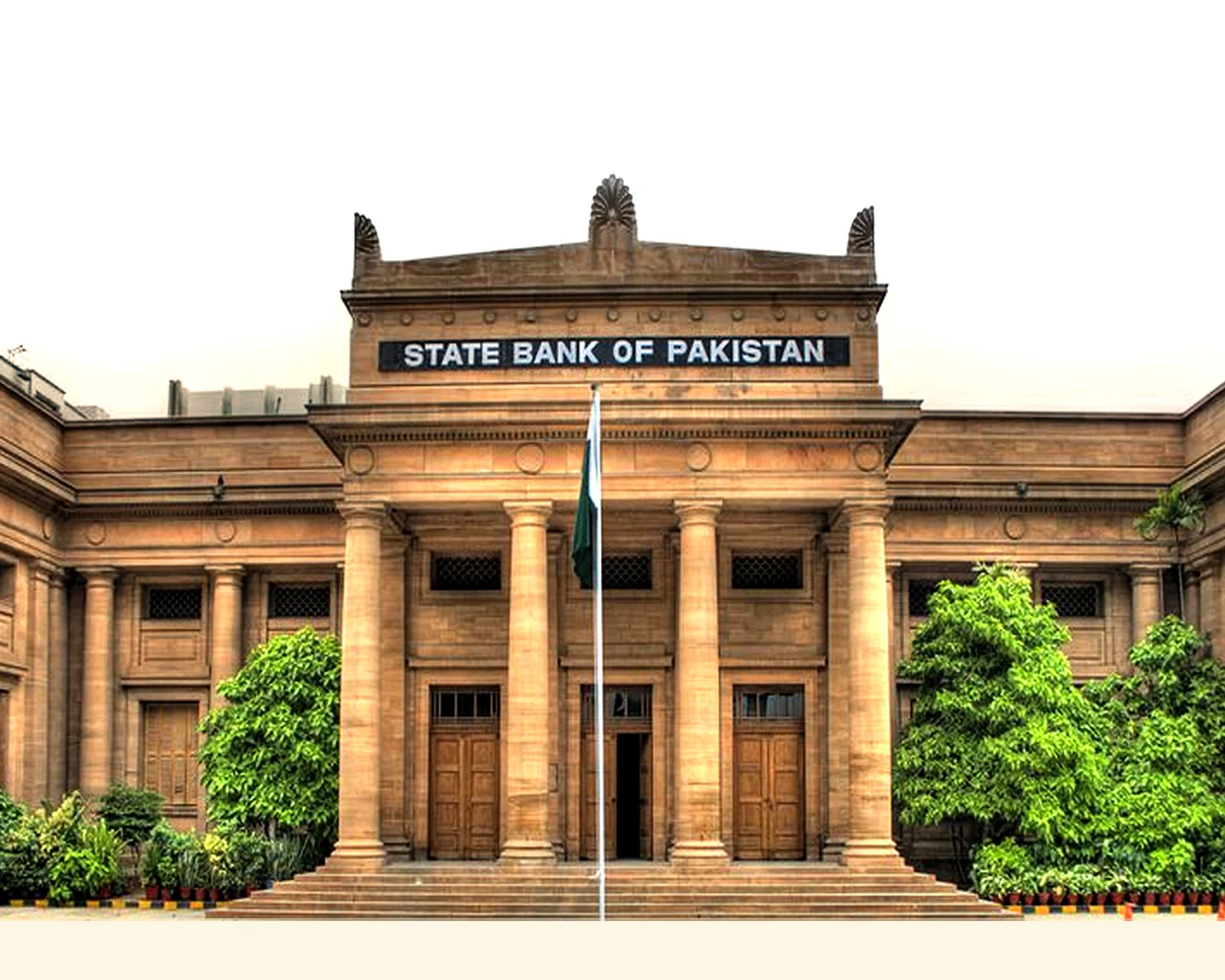

Housing loans in Pakistan reached an all-time high of Rs. 286 billion in July 2026, reflecting growing demand for home financing and improved access to housing credit.
The increase was largely driven by stronger borrowing under the government’s subsidized Mera Ghar Mera Ashiana housing scheme, which aims to make homeownership more affordable through concessional financing and improved lending conditions.
The record level indicates rising activity in Pakistan’s housing finance market as banks expand lending opportunities for individuals seeking to purchase, construct or improve residential properties.
Table of Contents
Key Takeaways
- Housing loans: Rs. 286 billion
- Period: July 2026
- Status: All-time high
- Major Growth Driver: Mera Ghar Mera Ashiana scheme
- Main Objective: Affordable homeownership
- Financing Type: Subsidized and concessional housing loans
Mera Ghar Mera Ashiana Drives Housing Finance Growth
The government’s Mera Ghar Mera Ashiana scheme has played a major role in increasing housing loan demand.
The programme is designed to help eligible individuals access home financing at subsidized rates, reducing the cost of borrowing for low- and middle-income households.
Under the scheme, applicants may obtain financing for:
- Purchasing a house or apartment
- Constructing a residential property
- Constructing a house on an owned plot
- Renovating or improving an existing home, where permitted under the scheme’s rules
The concessional financing structure makes monthly instalments more manageable and encourages more households to consider formal housing loans.
Rising Demand for Affordable Homeownership
The record housing loan figure reflects the persistent demand for affordable housing in Pakistan.
With property prices and construction costs remaining challenging for many households, subsidized financing has become an important tool for people seeking to purchase or build homes.
Government-backed housing programmes can help bridge the gap between household income and property costs by offering lower financing rates and more flexible repayment conditions.
Banks Expand Housing Lending
The increase in housing loans also highlights the growing role of commercial banks in supporting Pakistan’s residential property sector.
Banks provide financing for home purchases, construction and other eligible housing-related needs. Government-backed schemes help reduce some of the risks associated with lending to borrowers who may otherwise struggle to qualify for conventional mortgage products.
The rise in housing finance may encourage banks to further develop:
- Affordable mortgage products
- Digital loan applications
- Simplified documentation
- Longer repayment tenures
- Shariah-compliant housing finance options
- Financing for low- and middle-income customers
Why the Record Matters
The record level of housing loans is significant for both households and the broader economy.
Supports Homeownership
Affordable financing allows more families to move closer to owning a home instead of relying on rental accommodation.
Boosts Construction Activity
Higher housing finance can stimulate demand for construction materials, labour, engineering and related services.
Creates Economic Activity
The housing sector has strong links with industries such as cement, steel, furniture, transport and real estate services.
Expands Financial Inclusion
Subsidized housing loans can bring more individuals into the formal banking and credit system.
Improves Access to Long-Term Finance
Housing loans provide households with access to structured long-term financing that may not otherwise be available.
Impact on Pakistan’s Housing Sector
Pakistan faces a significant housing shortage, while urbanisation and population growth continue to increase demand for residential properties.
Government-backed financing schemes are intended to address part of this challenge by improving access to formal housing credit.
However, sustained growth in housing finance will also depend on property documentation, land records, construction costs, interest rates, income stability and the availability of affordable housing projects.
Outlook for Housing Loans in Pakistan
The record Rs. 286 billion in housing loans suggests that demand for residential financing is strengthening.
If subsidized schemes continue to attract borrowers and banks maintain supportive lending conditions, housing finance could expand further in the coming months.
The growth may also encourage greater participation by private developers, financial institutions and construction companies in Pakistan’s affordable housing market.
FAQs
How much did housing loans in Pakistan reach in July 2026?
Housing loans reached a record Rs. 286 billion in July 2026.
What is the main reason behind the increase?
The rise was largely driven by stronger borrowing under the government’s subsidized Mera Ghar Mera Ashiana housing scheme.
What is the Mera Ghar Mera Ashiana scheme?
It is a government-backed housing finance programme designed to make homeownership more accessible through concessional financing and improved lending conditions.
Who can benefit from subsidized housing finance?
Eligible low- and middle-income individuals and households can benefit, subject to the scheme’s applicable criteria and participating bank requirements.
How can higher housing loans support Pakistan’s economy?
Increased housing finance can boost construction, create jobs, support related industries and improve access to homeownership.