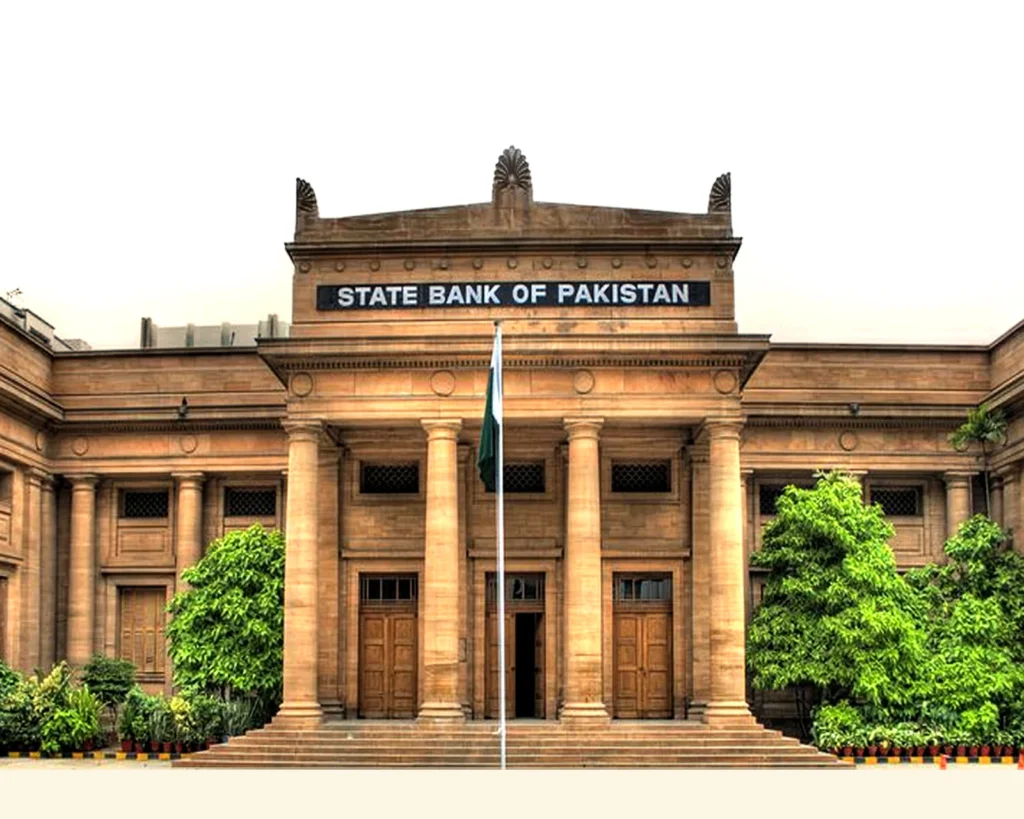
The State Bank of Pakistan (SBP) injected a combined Rs. 11.2735 trillion into the banking system through conventional and Shariah-compliant open market operations (OMOs) on September 11, 2026.
The liquidity injection was carried out through conventional reverse repo operations and Shariah-compliant Mudarabah-based OMOs, providing short-term funding support to banks operating under both conventional and Islamic banking structures.
On a realised-value basis, the total injection stood at approximately Rs. 10.99 trillion.
Table of Contents
Key Takeaways
- Total announced injection: Rs. 11.2735 trillion
- Conventional reverse repo operations: Rs. 10.6705 trillion
- Shariah-compliant OMOs: Rs. 603 billion
- Realised-value injection: Approximately Rs. 10.99 trillion
- Date of operations: September 11, 2026
- Conducted by: State Bank of Pakistan
Conventional Reverse Repo Operations
The SBP accepted Rs. 10.6705 trillion through conventional reverse repo operations.
Reverse repo operations are a key monetary policy tool used by the central bank to manage liquidity in the banking system. Through these transactions, banks place funds with the central bank against eligible securities, receiving liquidity under the terms of the operation.
Such operations help ensure that banks have sufficient short-term funds to meet payment obligations, manage cash requirements and maintain orderly functioning of the money market.
Shariah-Compliant Mudarabah-Based OMOs
In addition to conventional operations, the SBP accepted Rs. 603 billion through Shariah-compliant Mudarabah-based open market operations.
These operations are designed to provide liquidity to Islamic banking institutions through structures consistent with Islamic finance principles.
The inclusion of Mudarabah-based OMOs allows the central bank to manage liquidity across both conventional and Islamic banking segments without relying exclusively on interest-based instruments.
Realised-Value Injection Nears Rs. 11 Trillion
Although the combined accepted amount was Rs. 11.2735 trillion, the realised-value injection was approximately Rs. 10.99 trillion.
The difference between the accepted amount and realised value can arise due to settlement arrangements, transaction execution and the actual amount disbursed under the operations.
The realised figure provides a more practical indication of the liquidity that entered the banking system.
Why the Liquidity Injection Matters
Large-scale OMO operations are generally conducted to manage short-term liquidity conditions and ensure stability in the financial system.
The injection may help banks:
- Meet short-term liquidity needs
- Support smooth payment settlements
- Manage reserve and cash requirements
- Maintain lending operations
- Reduce temporary liquidity pressures
- Improve stability in the money market
The operations do not necessarily indicate a permanent change in monetary policy. They are primarily used to manage liquidity conditions in line with prevailing market requirements.
Support for Conventional and Islamic Banking
The combined use of conventional reverse repo and Shariah-compliant Mudarabah-based operations reflects the dual structure of Pakistan’s banking system.
Conventional banks access liquidity through standard monetary instruments, while Islamic banks require Shariah-compliant alternatives. By conducting both types of operations, the SBP can ensure more balanced liquidity management across the financial sector.
This approach is particularly relevant as Pakistan’s Islamic banking industry continues to expand its share of deposits, financing and banking assets.
Role of Open Market Operations
Open market operations are among the central bank’s most important tools for influencing short-term money market conditions.
Depending on market needs, the SBP may inject liquidity into the banking system or absorb excess funds. Liquidity injections are generally used when banks face funding shortages or when market conditions require additional cash availability.
The scale and frequency of OMOs provide insight into liquidity conditions in the banking sector, although individual operations should be assessed alongside interest rates, government borrowing, deposit trends and broader monetary policy decisions.
Implications for the Banking Sector
The latest operation provides significant short-term liquidity support to banks. This may help financial institutions maintain smooth operations and meet their funding requirements without facing excessive pressure in the interbank market.
However, the ultimate impact on credit growth, lending rates and economic activity will depend on how banks use the available liquidity and on the broader monetary policy environment.
Outlook
The SBP’s Rs. 11.2735 trillion OMO operation highlights the central bank’s continued role in managing liquidity and maintaining stability in Pakistan’s banking system.
The simultaneous use of conventional and Shariah-compliant instruments ensures that liquidity support reaches a wider segment of the banking industry. Future operations will likely remain dependent on market liquidity conditions, government cash flows and the SBP’s monetary policy objectives.
Frequently Asked Questions
How much liquidity did the SBP inject on September 11, 2026?
The SBP accepted a combined Rs. 11.2735 trillion through conventional and Shariah-compliant open market operations.
How much was accepted through conventional operations?
The central bank accepted Rs. 10.6705 trillion through conventional reverse repo operations.
How much was accepted through Shariah-compliant OMOs?
The SBP accepted Rs. 603 billion through Mudarabah-based Shariah-compliant operations.
What was the realised-value injection?
The realised-value injection stood at approximately Rs. 10.99 trillion.
Why does the SBP conduct OMOs?
The SBP conducts OMOs to manage liquidity, support money market stability and ensure smooth functioning of the banking system.