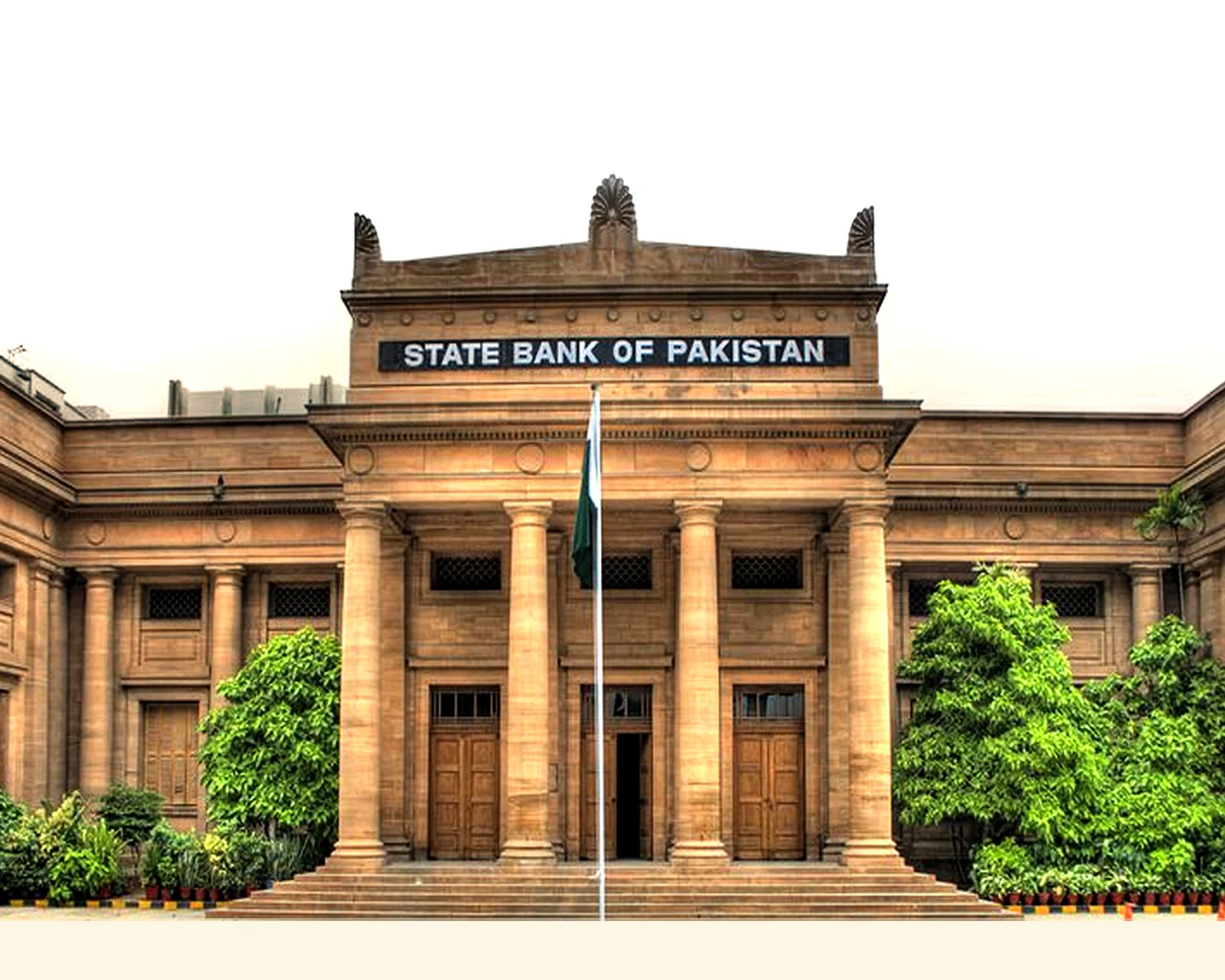
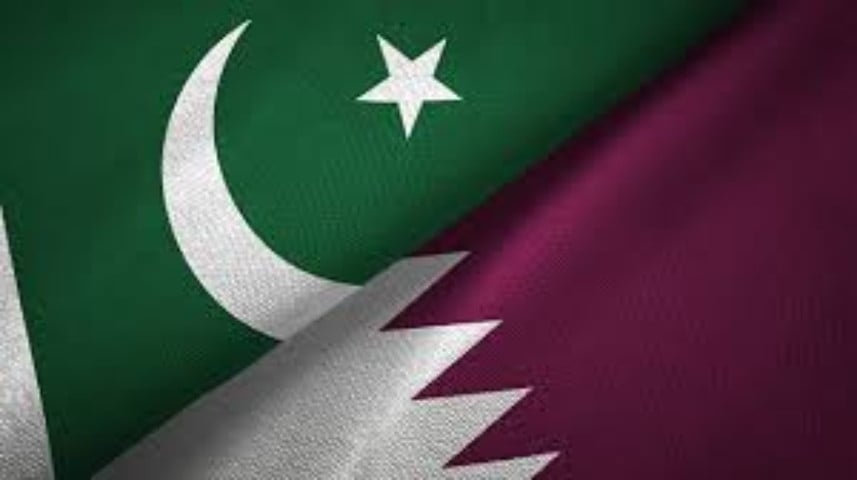
Pakistan and Qatar have explored the possibility of developing new regional trade routes that could connect Pakistan with Türkiye and European markets through the Middle East and Central Asia.
The discussions took place on the sidelines of the Belt and Road Summit and focused on improving regional connectivity, expanding transit trade opportunities and strengthening bilateral economic relations.
Both countries also discussed ways to increase two-way trade and identify new areas of economic cooperation.
Table of Contents
Key Takeaways
- Pakistan and Qatar discussed alternative trade routes to Türkiye and Europe.
- Proposed connectivity could pass through the Middle East and Central Asia.
- Talks were held on the sidelines of the Belt and Road Summit.
- Both sides explored opportunities for transit trade and economic cooperation.
- The discussions aim to improve regional market access and trade connectivity.
Focus on Regional Connectivity
The talks highlighted the importance of creating efficient and reliable trade corridors connecting South Asia with markets in the Middle East, Central Asia and Europe.
For Pakistan, improved routes could provide additional options for moving goods beyond traditional maritime channels. Better overland and multimodal connectivity may help Pakistani exporters reach Türkiye and European destinations more efficiently.
Qatar, with its strategic location and strong transport and logistics infrastructure, could play a role in facilitating trade links between regional markets.
Potential Link to Türkiye and European Markets
One of the key areas discussed was the possibility of connecting Pakistan with Türkiye and European markets through a broader regional network.
Such routes could involve a combination of road, rail, sea and logistics connections across the Middle East and Central Asia. These corridors could support the movement of manufactured goods, agricultural products, textiles, minerals and other commodities.
The development of alternative routes could also help businesses reduce transportation risks and gain access to new customers and supply chains.
Expanding Transit Trade Opportunities
Pakistan has been seeking greater integration into regional transit and trade networks. New routes through partner countries could strengthen its position as a link between South Asia and international markets.
Transit trade can generate economic benefits through:
- Increased logistics activity
- Development of transport infrastructure
- Growth in warehousing and freight services
- Higher export opportunities
- Greater regional business cooperation
- Improved supply-chain resilience
For Qatar, cooperation with Pakistan could support its broader role as a regional commercial and logistics hub.
Bilateral Trade and Economic Cooperation
In addition to regional connectivity, Pakistan and Qatar discussed expanding bilateral trade and identifying new areas of economic collaboration.
Potential cooperation could include logistics, infrastructure, investment, energy, agriculture, technology and industrial development.
Stronger private-sector engagement and business-to-business links could help convert diplomatic discussions into practical commercial projects.
Importance of the Belt and Road Summit
The discussions on the sidelines of the Belt and Road Summit reflect growing attention toward regional connectivity and cross-border infrastructure.
The summit provides a platform for countries to explore trade corridors, investment partnerships and transport links that connect emerging markets with major global economic centres.
For Pakistan, participation in such discussions is part of its broader effort to improve connectivity with Central Asia, the Gulf, Türkiye and Europe.
Why the Trade Routes Matter
New trade routes could provide Pakistan with more options for accessing international markets while reducing dependence on a limited number of transport corridors.
Improved connectivity may also help Pakistani businesses become more competitive by lowering delivery times, expanding market reach and creating new export channels.
For Qatar, stronger links with Pakistan and other regional economies could reinforce its position in regional trade and logistics networks.
However, the success of any proposed route would depend on infrastructure investment, customs coordination, security arrangements, commercial viability and cooperation among transit countries.
Outlook
The Pakistan-Qatar discussions signal a shared interest in strengthening regional economic connectivity and expanding trade opportunities.
While no specific route, investment amount or implementation timeline has been announced, continued engagement could lead to further talks on practical transit corridors linking Pakistan with Türkiye and European markets.
The initiative could eventually support wider regional integration and create new opportunities for exporters, logistics companies and investors.
Frequently Asked Questions
What did Pakistan and Qatar discuss?
Pakistan and Qatar discussed exploring new regional trade routes that could connect Pakistan with Türkiye and European markets through the Middle East and Central Asia.
Where were the discussions held?
The talks were held on the sidelines of the Belt and Road Summit.
Why are the proposed routes important for Pakistan?
They could provide Pakistan with alternative access to European markets, expand transit trade and improve regional connectivity.
Could the routes pass through Central Asia?
The discussions included potential connectivity through the Middle East and Central Asia, although no final route has been confirmed.
Has a specific trade corridor been finalized?
No specific corridor, investment commitment or implementation schedule has been officially finalized.