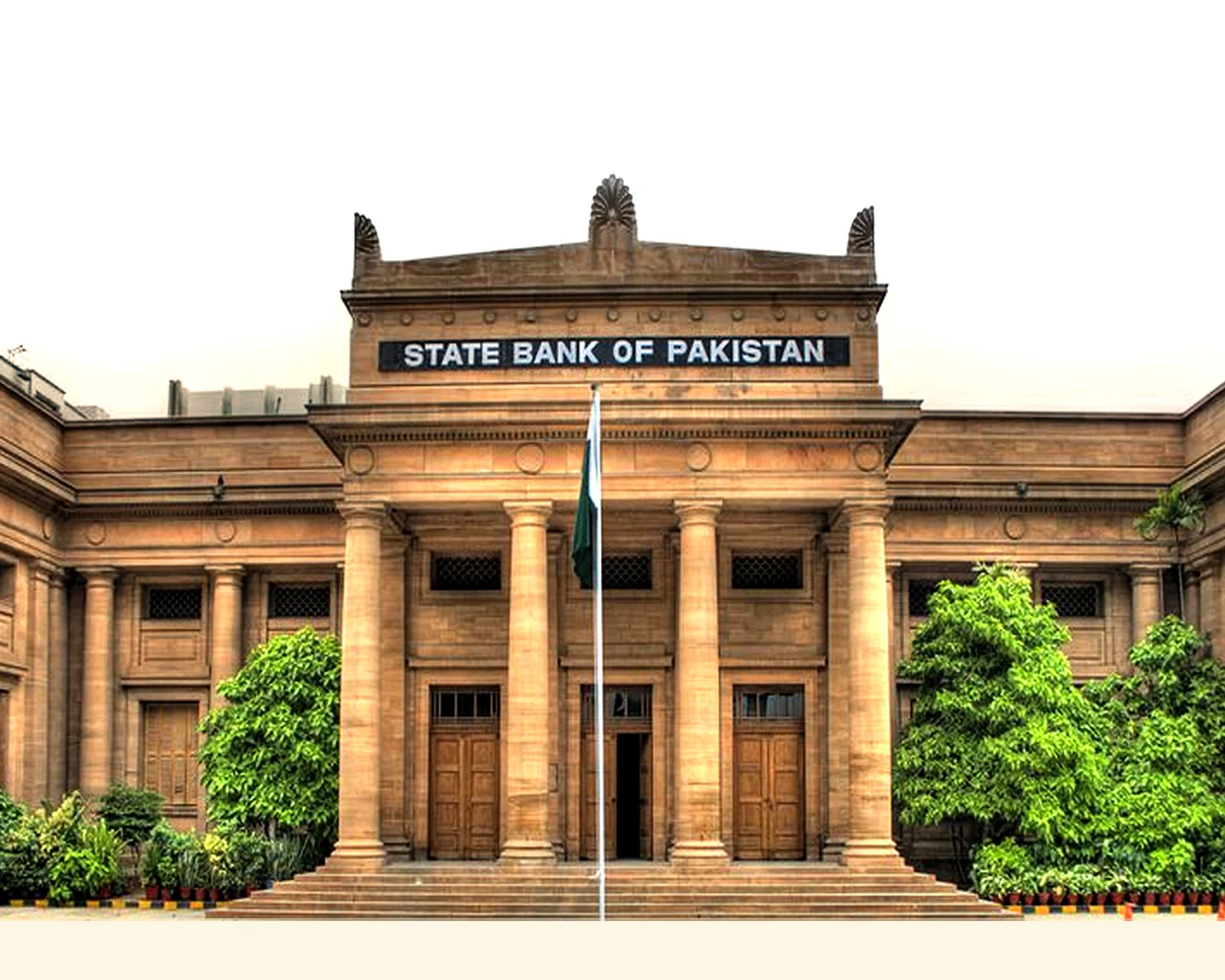

The Federation of Pakistan Chambers of Commerce and Industry (FPCCI) has voiced disappointment over the State Bank of Pakistan’s (SBP) latest monetary policy decision, saying the business community had expected a reduction in the policy rate to support economic activity.
Reacting to the central bank’s announcement, FPCCI Acting President Saquib Fayyaz Magoon described the decision as “contractionary,” arguing that lower borrowing costs are essential to encourage investment, strengthen business confidence, and accelerate Pakistan’s economic growth.
Table of Contents
Key Takeaways
- FPCCI criticized the SBP’s latest monetary policy decision.
- Businesses had anticipated a reduction in the policy rate.
- Acting President Saquib Fayyaz Magoon called the policy stance “contractionary.”
- FPCCI says lower interest rates are needed to stimulate investment.
- The business body believes cheaper financing would support economic growth and private-sector expansion.
FPCCI’s Response to the Monetary Policy
Following the State Bank of Pakistan’s latest monetary policy announcement, FPCCI expressed dissatisfaction with the decision to keep the policy stance unchanged.
According to Acting President Saquib Fayyaz Magoon, businesses were expecting a cut in interest rates after signs of improving macroeconomic stability. He said maintaining relatively high borrowing costs could limit private-sector investment and slow economic momentum.
Why Businesses Wanted a Rate Cut
FPCCI argues that reducing the policy rate would make financing more affordable for businesses, enabling companies to expand operations, invest in new projects, and create employment opportunities.
The organization believes that lower interest rates would:
- Encourage private-sector investment.
- Reduce financing costs for businesses.
- Improve industrial and manufacturing activity.
- Support export-oriented industries.
- Strengthen overall economic growth.
According to FPCCI, these measures are particularly important as Pakistan seeks to transition from economic stabilization to sustained, investment-led growth.
What Does “Contractionary” Mean?
A contractionary monetary policy refers to a policy stance that keeps borrowing costs relatively high to control inflation and maintain macroeconomic stability.
While such policies can help contain inflationary pressures, business organizations often argue that prolonged high interest rates discourage investment, reduce consumer spending, and slow economic expansion.
FPCCI believes the current monetary policy remains restrictive despite improvements in key economic indicators.
Why This Matters
- FPCCI’s reaction reflects the concerns of Pakistan’s business community regarding borrowing costs.
- Lower policy rates could reduce financing expenses for businesses and encourage investment.
- The debate highlights the balance between controlling inflation and supporting economic growth.
- Monetary policy decisions directly influence industrial activity, employment, and private-sector confidence.
- Future SBP policy decisions will be closely watched by investors, businesses, and financial markets.
Frequently Asked Questions
Why is FPCCI unhappy with the SBP’s decision?
FPCCI says businesses expected the State Bank of Pakistan to reduce the policy rate to encourage investment and economic activity.
Who criticized the monetary policy?
FPCCI Acting President Saquib Fayyaz Magoon described the latest policy decision as “contractionary.”
Why does FPCCI want lower interest rates?
According to FPCCI, lower borrowing costs would stimulate business investment, improve industrial growth, support exports, and create jobs.
What is a contractionary monetary policy?
A contractionary monetary policy keeps interest rates relatively high to control inflation and maintain economic stability, but it can also slow borrowing and investment.
Why does the policy rate matter?
The policy rate influences lending and borrowing costs across the economy. Changes in the rate affect business investment, consumer spending, inflation, and overall economic growth.