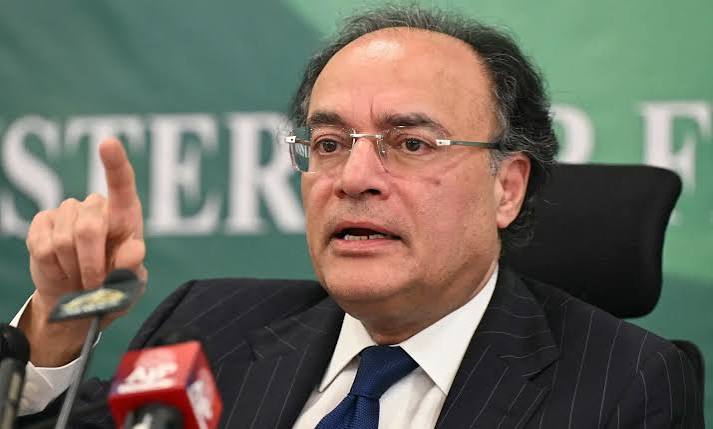
Pakistan’s push to modernize its refining sector just got a serious potential partner. Finance Minister Senator Muhammad Aurangzeb met a delegation from Honeywell Technologies in Washington, D.C., to discuss a proposed plan to modernize and expand Pakistan’s refinery infrastructure a move aimed squarely at strengthening the country’s energy security and cutting its reliance on imported petroleum products.
Table of Contents
Key Takeaways
- Who met: Finance Minister Muhammad Aurangzeb and a Honeywell Technologies delegation led by Vice President and General Manager Barry Glickman
- Where: Washington, D.C., during Aurangzeb’s three-day U.S. visit
- What was discussed: Honeywell’s proposed technology and equipment solutions for modernizing and expanding Pakistan’s refinery sector
- Stated goals: Enhance domestic refining capacity, reduce reliance on imported petroleum products, and strengthen energy security
- Potential financing sources discussed: US EXIM Bank, the US International Development Finance Corporation (DFC), export credit agencies, and leading international banks
- Broader context: The meeting comes amid renewed US-Iran conflict and Houthi threats to Saudi ports, intensifying concerns over Gulf shipping disruptions and Pakistan’s exposure to imported fuel risk
- Wider visit agenda: Aurangzeb is also meeting officials from the US Trade Representative’s office, US EXIM Bank, the DFC, and the IMF, alongside ongoing US-Pakistan tariff and trade framework negotiations
What Was Actually Discussed
According to Pakistan’s Ministry of Finance, Aurangzeb welcomed Honeywell’s proposed modernization and expansion of Pakistan’s refinery sector, noting its potential to meaningfully enhance the country’s domestic refining capacity while reducing dependence on imported petroleum products. The discussion specifically covered Honeywell’s technology and equipment solutions for refinery upgrades, alongside a range of possible financing mechanisms to fund the project including the US Export-Import Bank (EXIM), the US International Development Finance Corporation (DFC), export credit agencies, and international commercial banks.
Aurangzeb framed the proposed initiative as one that would support Pakistan’s energy security, industrial development, and sustainable economic growth language that positions this discussion as part of a broader economic strategy rather than a standalone energy-sector matter.
Why Refinery Modernization Is on the Agenda Right Now
This meeting isn’t happening in a vacuum. It comes at a moment of renewed conflict between the United States and Iran, which first erupted in late February and has resumed, alongside threats from Iran’s Yemeni allies, the Houthis, to broaden the conflict by blockading Saudi ports. Together, these developments have sharpened concerns over shipping disruptions through the Strait of Hormuz one of the world’s most critical energy transit chokepoints — and renewed scrutiny of just how exposed Pakistan is to disruptions in imported refined fuel supply.
Against that backdrop, a proposal to boost domestic refining capacity takes on a different weight than it would in a calmer geopolitical environment: it’s not just about industrial modernization or efficiency gains, it’s about reducing a specific vulnerability that recent Gulf tensions have made newly visible.
The Broader Washington Visit
This Honeywell meeting is one piece of a packed three-day Washington visit for Aurangzeb. Alongside the refinery discussion, he is scheduled to meet officials from the Office of the US Trade Representative, the US EXIM Bank, the DFC, and the International Monetary Fund meetings aimed at exploring funding opportunities for infrastructure, energy, and private-sector projects in Pakistan more broadly.
The visit also lands during a active period of US-Pakistan trade negotiations, which resumed the week before this meeting, covering tariffs affecting Pakistani exports and the contours of a possible broader bilateral trade framework talks that follow the global tariff measures announced by US President Donald Trump in April 2025. Seen in that context, the Honeywell discussion is one thread in a wider effort by Pakistan’s finance minister to deepen economic and investment ties with the United States during a single, concentrated visit.
Why This Matters
- It targets a long-standing structural vulnerability in Pakistan’s energy sector. Pakistan has historically relied heavily on imported refined petroleum products, a dependency that becomes acutely risky during periods of Gulf shipping disruption exactly the scenario currently unfolding.
- It brings a major US industrial and technology player into Pakistan’s energy modernization conversation. Honeywell’s involvement signals potential access to advanced refining technology and equipment that could meaningfully upgrade aging refinery infrastructure, rather than incremental capacity additions alone.
- It opens the door to US development finance institutions as project funders. Discussion of US EXIM Bank and DFC financing specifically suggests this proposal is being structured with an eye toward institutional, government-backed financing rather than relying solely on Pakistan’s own fiscal space or private commercial lending.
- It’s part of a broader US-Pakistan economic re-engagement moment. Coming alongside active tariff negotiations and IMF-related meetings during the same visit, this refinery discussion reflects a wider push to strengthen US-Pakistan economic ties across multiple fronts simultaneously.
Frequently Asked Questions
Who did Finance Minister Aurangzeb meet with regarding refinery modernization?
A delegation from Honeywell Technologies, led by Vice President and General Manager Barry Glickman, in Washington, D.C.
What did the meeting focus on?
Honeywell’s proposed technology and equipment solutions to modernize and expand Pakistan’s refinery sector, along with potential financing options for the project.
Why is refinery modernization a priority right now?
It comes amid renewed conflict between the US and Iran and Houthi threats to blockade Saudi ports, raising concerns about Gulf shipping disruptions and Pakistan’s reliance on imported refined petroleum products.
What financing sources were discussed for the project?
The US Export-Import Bank (EXIM), the US International Development Finance Corporation (DFC), export credit agencies, and leading international banks.
Is this part of a larger visit or negotiation?
Yes. This meeting is part of Aurangzeb’s three-day Washington visit, which also includes meetings with the US Trade Representative’s office, the IMF, and discussions tied to ongoing US-Pakistan tariff and trade framework negotiations.
Has a formal agreement been signed with Honeywell?
No. As of this meeting, the discussion reflects a proposed modernization plan, not a finalized investment agreement.