
Pakistan’s fintech sector has had a genuinely strong run. Digital channels now handle more than 90% of the country’s retail transactions, freelancer export earnings just crossed $1.76 billion, mobile banking users have grown from 95 million to 137 million in a single year, and regulators have rolled out a steady stream of modernizing reforms from IBAN-based digital KYC to a dedicated ESG mutual funds framework. By almost any surface-level measure, Pakistani fintech looks like a genuine success story.
But growth in transaction volume isn’t the same as a mature, resilient industry. Underneath the headline numbers, Pakistan’s fintech sector is still working through a set of structural challenges that will determine whether this momentum compounds into lasting transformation or plateaus once the easiest gains have been captured.
Table of Contents
Regulatory Fragmentation and Complexity
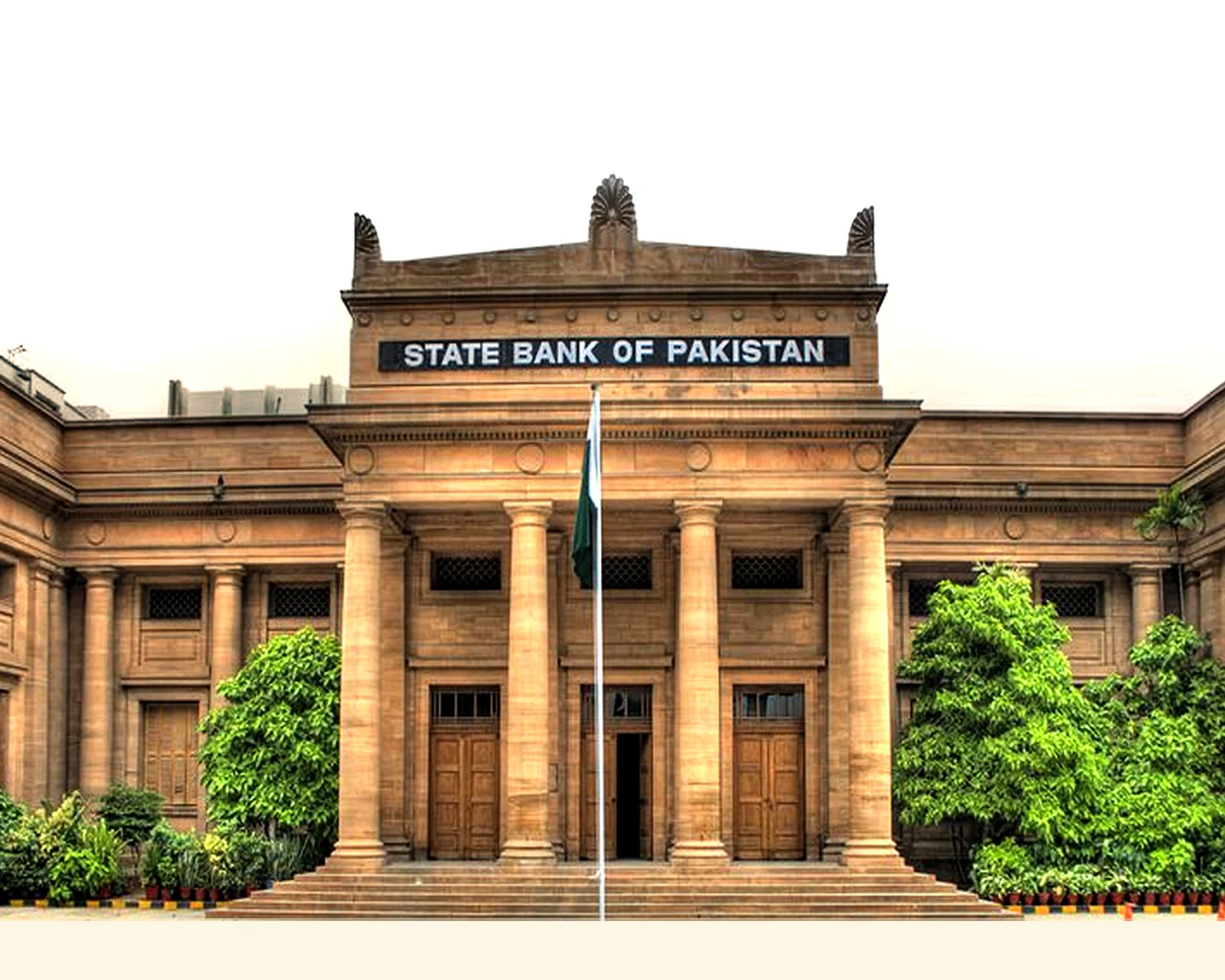
Pakistan’s fintech companies don’t answer to a single regulator they navigate overlapping oversight from the State Bank of Pakistan (SBP) for payments and digital banking, the Securities and Exchange Commission of Pakistan (SECP) for non-banking financial companies and capital markets products, and now the Pakistan Virtual Assets Regulatory Authority (PVARA) for crypto-related activity. Each has made real progress individually SBP’s digital banking licensing framework, SECP’s IBAN-based KYC verification, PVARA’s establishment as a dedicated crypto regulator but coordination across these bodies remains a genuine friction point for companies trying to build products that touch more than one regulatory domain.
Legal analysts tracking Pakistan’s fintech framework have consistently flagged that keeping regulation current with the pace of technological change, while still protecting consumers and financial stability, remains an unresolved balancing act. For years, the absence of a clear, unified fintech framework created ambiguity that slowed market entry for new players and while the picture has improved substantially, regulatory complexity still acts as a tax on innovation speed, particularly for smaller startups without the legal resources larger banks can deploy.
A Persistent Funding Gap
Pakistani fintech has produced genuine bright spots Haball’s $52 million pre-Series A round, backed by both venture capital and strategic financing from Meezan Bank, stands out as a landmark deal demonstrating real bank-fintech collaboration and regional ambition, including expansion into the Gulf. But viewed at the industry level, Pakistan’s fintech funding remains modest compared to regional peers, particularly India, whose fintech sector has benefited from deeper venture capital markets, stronger digital infrastructure investment, and more supportive government-backed capital programs.
The core issue isn’t a lack of any funding it’s a lack of follow-on capital. Pakistani fintechs frequently manage to raise early-stage rounds but struggle to secure the larger, later-stage rounds needed to scale beyond an initial product-market fit into full regional or category leadership. Programs like the state-backed Pakistan Startup Fund, offering equity-free grants, are a meaningful step toward addressing this gap but they operate at a much smaller scale than what would be needed to close the difference with better-funded regional fintech ecosystems.
The Rural-Urban Digital Divide
Pakistan’s digital payments success story is, in large part, an urban success story. Rural internet penetration remains below 40% in many estimates a stark contrast to the near-total digital saturation now visible in Pakistan’s urban retail transaction data. Mobile wallets like Easypaisa and JazzCash have made meaningful inroads even in underserved areas, but genuine financial inclusion requires more than wallet availability it requires reliable connectivity, accessible devices, and physical agent networks that can serve as an on-ramp for the still-substantial share of the population without smartphones or stable internet access.
This divide has direct implications for the national financial inclusion target: Pakistan aims to raise adult financial inclusion from 64% (as of 2023) to 75% by 2028. Closing that 11-percentage-point gap will depend disproportionately on reaching rural and low-connectivity populations precisely the segment current fintech infrastructure struggles to serve profitably without further investment.
Digital and Financial Literacy Gaps
Access to a smartphone and a wallet app doesn’t automatically translate into meaningful fintech usage. Estimates suggest roughly 40% of Pakistan’s population struggles with basic digital literacy a gap that limits how much of the country’s connected population can actually navigate digital financial products with confidence, let alone more complex offerings like investment platforms, ESG funds, or Takaful savings products.
Financial literacy compounds this problem. Academic research into Pakistan’s fintech adoption has consistently found that limited understanding of digital financial services not just limited access to them is a primary barrier to broader uptake. SBP has invested in financial literacy initiatives as part of its broader mandate, but researchers note that sustained, systemic financial education (not one-off awareness campaigns) is what ultimately drives lasting behavior change and deeper formal-sector participation.
Trust, Awareness, and Adoption Barriers
Even among digitally literate, connected users, trust remains an unresolved barrier as Pakistan’s fintech market matures. Concerns about fund security, unfamiliarity with newer digital-only institutions, and general wariness toward parting with the tactile reassurance of cash and physical bank branches all continue to shape adoption patterns particularly among older users and first-time formal-sector participants.
This is a genuinely difficult problem to solve through product design alone. Trust in financial institutions tends to build slowly, through consistent, dispute-free experience over time which means Pakistan’s newer digital banks and fintech platforms are, in a sense, racing against the natural pace at which institutional trust is normally earned.
Cybersecurity and Fraud Risk
As transaction volumes scale into the billions Pakistan recorded roughly 11.9 billion digital transactions in a single recent 12-month period the surface area for digital fraud, wallet compromise, and systemic cybersecurity risk grows proportionally. Rising digital adoption without matching investment in security infrastructure creates exactly the kind of gap fraud actors are quick to exploit.
Virtual assets add a further layer of concern here. Analysts covering Pakistan’s fintech landscape have specifically flagged that virtual assets, digital lending platforms, wallet fraud, and consumer protection gaps could undermine public confidence in the broader digital finance ecosystem if not carefully and continuously managed a warning that applies as much to established banks launching new digital products as it does to newer fintech entrants.
The Gender Gap in Financial Inclusion
Pakistan has historically had one of the wider gender gaps in financial services access anywhere in the region. Mobile wallets and digital accounts genuinely can help lower some traditional barriers reduced need to visit a physical branch, greater privacy, and lower social friction compared to some in-person banking interactions. But technology alone doesn’t resolve gender exclusion in financial services.
Real progress requires products deliberately designed around the practical realities that shape women’s financial access in Pakistan documentation requirements, affordability, usability, and social context all matter as much as the underlying technology. Fintech can be a meaningful tool for narrowing this gap, but only if providers treat it as a deliberate design priority rather than assuming digital access automatically produces equitable outcomes.
Crypto and Virtual Assets: Regulation Without Full Clarity
Pakistan ranks third globally in crypto adoption, according to Chainalysis data, trailing only India and the United States a striking statistic for a country that, until recently, had no dedicated crypto regulatory body at all. The establishment of PVARA (Pakistan Virtual Assets Regulatory Authority) represents a genuine policy choice to regulate rather than prohibit virtual assets, a notably different path than neighboring markets like Bangladesh or Nepal have taken.
Still, regulatory clarity and religious clarity are two different things and Pakistan currently has neither fully settled. As covered in the country’s ongoing scholarly debate over crypto’s Islamic permissibility, senior religious figures remain divided, with one prominent scholar issuing a fatwa against crypto transactions while another has explicitly declined to issue a final ruling. That unresolved religious question sits alongside PVARA’s still-developing regulatory framework, meaning both the legal and religious status of crypto activity in Pakistan remain works in progress a genuinely unusual position for a market with this level of grassroots crypto adoption.
Macroeconomic Headwinds Shaping Every Other Challenge
Pakistan’s fintech story cannot be fully separated from the country’s broader economic pressures. Recurring balance-of-payments strain, elevated inflation, currency volatility, and persistent fiscal constraints have shaped nearly every part of the economy financial services very much included. These macro pressures don’t just create background noise; they directly affect fintech’s core value proposition and operating environment: currency volatility complicates cross-border payment products, fiscal constraints limit how much government-backed digital inclusion investment is realistically available, and broader economic uncertainty affects both consumer spending behavior and investor appetite for fintech funding rounds.
In this sense, several of the challenges above aren’t purely fintech-sector problems they’re broader economic constraints that happen to express themselves through the fintech sector particularly visibly, given how directly fintech products interact with everyday household and business financial behavior.
Missing Global Infrastructure: The PayPal Problem
One specific, frequently cited example captures the gap between Pakistan’s fintech ambition and its remaining infrastructure limitations: PayPal still isn’t officially available in Pakistan. Pakistani freelancers who, as covered separately, generated a record $1.76 billion in foreign exchange this past fiscal year instead rely on alternatives like Payoneer, Wise, Skrill, and local wallets such as JazzCash or Easypaisa to receive international payments, working around a gap that exists largely due to regulatory and infrastructure constraints rather than lack of demand.
This single, persistent gap is a useful symbol for the broader challenge facing Pakistani fintech: enormous underlying demand and genuine digital capability, constrained by infrastructure and regulatory pieces that haven’t yet fully caught up.
Why These Challenges Matter Together, Not Separately
None of these challenges exist in isolation they compound each other. Regulatory fragmentation slows the kind of product innovation that could close literacy and trust gaps. The funding shortage limits how much fintech companies can invest in rural infrastructure and cybersecurity simultaneously. Macroeconomic volatility makes every other problem harder to solve with confidence, since companies and regulators alike are often managing near-term stability pressures alongside longer-term structural reform.
The encouraging part is that Pakistan’s regulators, banks, and fintech companies have shown, repeatedly in just the past year, that coordinated action across these fronts is possible from SBP’s digital banking licensing framework to SECP’s KYC modernization to PVARA’s crypto oversight structure. The remaining challenge isn’t whether progress can happen, but whether it can happen fast and evenly enough to reach the rural, financially excluded, and digitally under-literate populations that stand to benefit most and who have, so far, benefited least from Pakistan’s fintech boom.
Frequently Asked Questions
What are the biggest challenges facing fintech in Pakistan?
Regulatory fragmentation across multiple bodies (SBP, SECP, PVARA), a persistent funding and follow-on capital gap, a rural-urban digital divide, low digital and financial literacy, consumer trust gaps, cybersecurity risk, gender exclusion in financial access, and unresolved regulatory and religious questions around cryptocurrency.
Why is fintech funding in Pakistan lower than in countries like India?
Pakistan’s fintech sector has produced notable early-stage funding successes, like Haball’s $52 million round, but generally lacks the deeper, later-stage venture capital markets and government-backed digital infrastructure investment that have driven India’s larger fintech funding ecosystem.
How big is the rural-urban digital divide in Pakistan?
Rural internet penetration is estimated at below 40% in many areas, compared to near-total digital payment saturation in Pakistan’s urban retail transaction data.
Is cryptocurrency regulated in Pakistan?
Pakistan established the Pakistan Virtual Assets Regulatory Authority (PVARA) to regulate rather than prohibit virtual assets, but both regulatory implementation and religious (Islamic) permissibility remain actively debated and unsettled.
Why isn’t PayPal available in Pakistan?
PayPal has not launched official operations in Pakistan due to regulatory and infrastructure constraints, forcing freelancers and businesses to rely on alternatives like Payoneer, Wise, Skrill, and local mobile wallets for international payments.
What is Pakistan’s financial inclusion target?
The government aims to raise adult financial inclusion from 64% (as of 2023) to 75% by 2028, a goal fintech adoption is expected to help drive, particularly in underserved and rural populations.