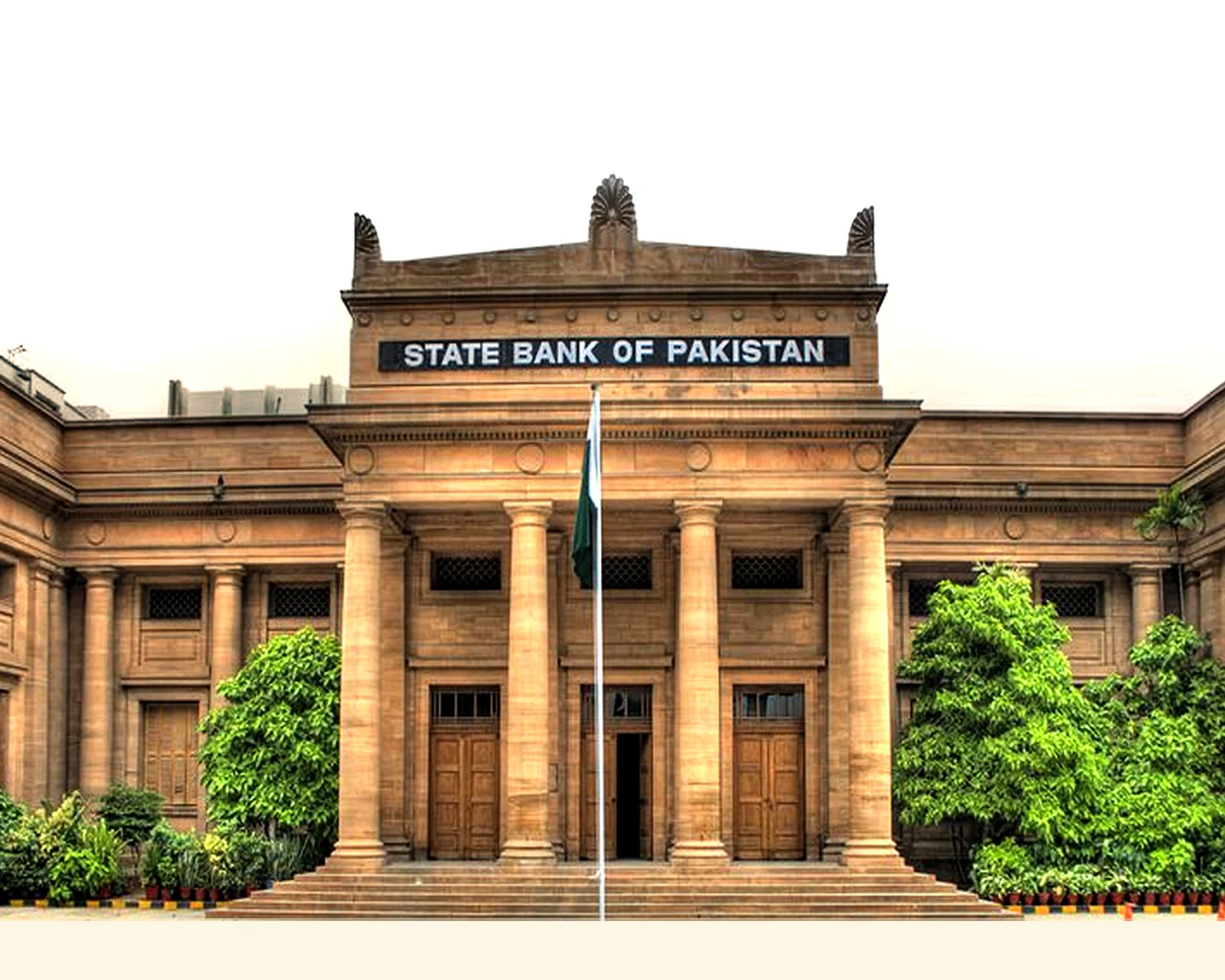

Pakistan’s immediate external debt repayment burden has eased after Saudi Arabia rolled over part of its deposits, reducing the country’s external financing requirement for the current fiscal year to $21.5 billion.
The rollover strengthens Pakistan’s external financing position by easing near-term repayment pressures while supporting the country’s foreign exchange reserves. The development comes as Pakistan continues implementing economic reforms aimed at improving fiscal stability and rebuilding investor confidence.
Key Takeaways
- Pakistan’s FY27 external financing requirement now stands at $21.5 billion.
- Saudi Arabia currently holds $8 billion in deposits with Pakistan.
- $3 billion of Saudi deposits were rolled over in April 2026.
- The rollover eases Pakistan’s short-term external debt repayment burden.
- The extension is expected to strengthen foreign exchange reserves.
- The move supports Pakistan’s broader external financing strategy.
Saudi Deposit Rollover Supports External Stability
According to the latest figures, Pakistan currently holds $8 billion in deposits from Saudi Arabia, including $3 billion that was rolled over earlier this year.
By extending the maturity of these deposits, Saudi Arabia has reduced Pakistan’s immediate repayment obligations, allowing the country to preserve foreign exchange reserves while managing its external financing needs more effectively.
The rollover provides additional financial flexibility during the current fiscal year and helps reduce short-term pressure on Pakistan’s balance of payments.
External Financing Requirement Falls to $21.5 Billion
Following the rollover, Pakistan’s external financing requirement for the current fiscal year has been reduced to $21.5 billion.
A lower financing requirement means the government needs to secure less external funding through new borrowing, repayments, or other financing arrangements, improving overall debt management.
The development also complements Pakistan’s efforts to strengthen macroeconomic stability and maintain adequate foreign exchange reserves.
Why the Rollover Matters
Saudi deposits have long served as an important component of Pakistan’s external financing strategy.
Rolling over these deposits helps:
- Reduce immediate external repayment obligations.
- Preserve foreign exchange reserves.
- Improve investor confidence.
- Strengthen Pakistan’s external account.
- Support macroeconomic stability during ongoing economic reforms.
Such financial support provides the government with greater flexibility in managing debt repayments while continuing efforts to attract investment and boost exports.
Why This Matters
- The rollover eases Pakistan’s short-term external debt repayment burden.
- Pakistan’s external financing requirement has declined to $21.5 billion.
- Saudi Arabia remains a key financial partner, with $8 billion in deposits supporting Pakistan’s economy.
- Stronger foreign exchange reserves improve external financial resilience.
- The development supports Pakistan’s broader strategy of maintaining economic stability while pursuing long-term reforms.
Frequently Asked Questions
How much is Pakistan’s external financing requirement now?
Following the Saudi deposit rollover, Pakistan’s external financing requirement for the current fiscal year stands at $21.5 billion.
How much has Saudi Arabia deposited with Pakistan?
Pakistan currently holds $8 billion in deposits from Saudi Arabia.
How much of the Saudi deposits were rolled over?
Saudi Arabia rolled over $3 billion in deposits in April 2026, easing Pakistan’s near-term repayment obligations.
Why is the rollover important?
The rollover reduces immediate external debt repayments, supports foreign exchange reserves, and strengthens Pakistan’s external financing position.
How does this benefit Pakistan’s economy?
Lower repayment pressure provides greater financial flexibility, helps maintain reserve levels, improves investor confidence, and supports the government’s broader economic stabilization and reform agenda.