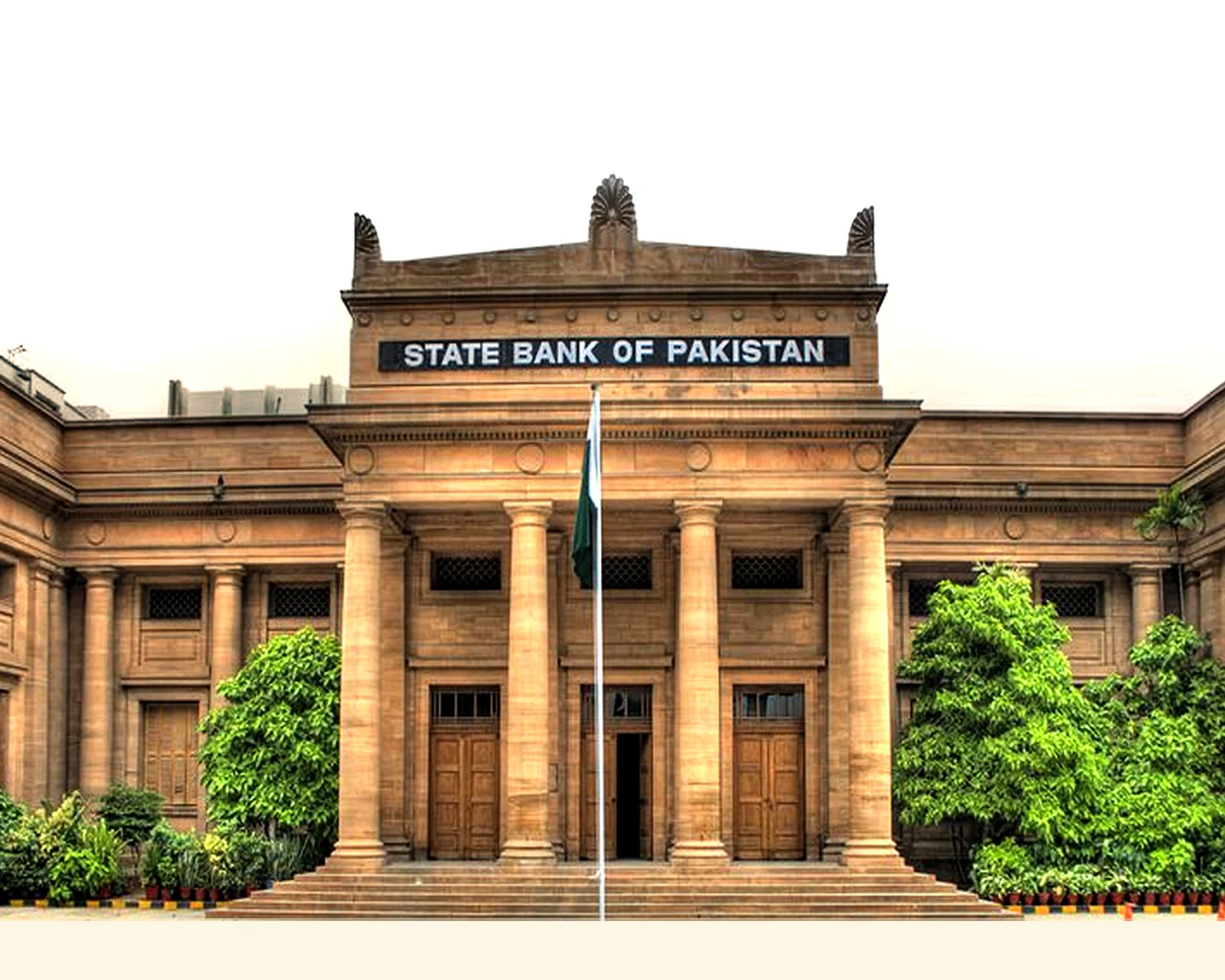
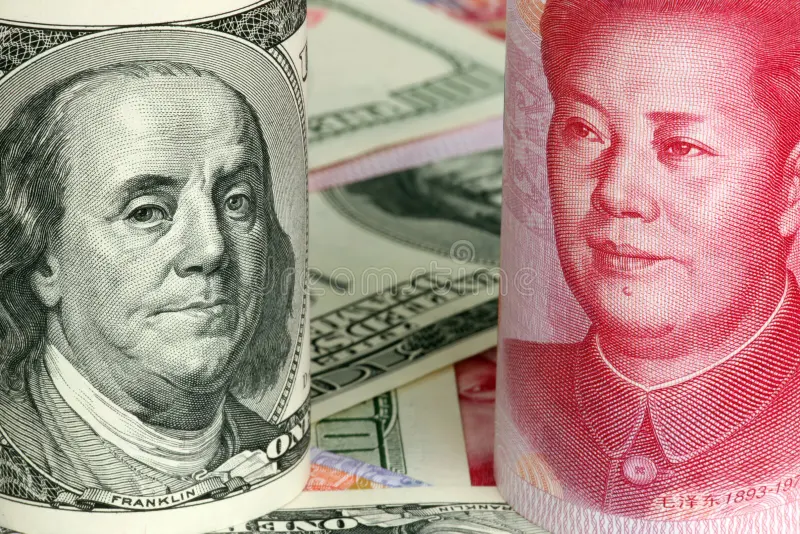
Pakistan has repaid a $1.4 billion Chinese commercial loan, with refinancing expected to be finalized within the next few weeks, according to State Bank of Pakistan (SBP) Governor Jameel Ahmad.
The repayment forms part of $2.2 billion in external debt obligations that Pakistan settled during July, highlighting the country’s continued efforts to manage its external financing requirements while securing refinancing arrangements to ease near-term pressure on foreign exchange reserves.
Table of Contents
Key Takeaways
- Chinese commercial loan repaid: $1.4 billion
- Total external debt repaid in July: $2.2 billion
- Other external obligations: $800 million
- Refinancing: Expected to be finalized within the next few weeks
- Official source: SBP Governor Jameel Ahmad
- Update provided at: Senate Standing Committee on Finance meeting
Pakistan Repays $1.4 Billion Chinese Loan
SBP Governor Jameel Ahmad confirmed that Pakistan has repaid a $1.4 billion Chinese commercial loan.
The repayment is part of Pakistan’s ongoing management of its external debt obligations and comes as the country works to secure refinancing arrangements for the loan.
According to the governor, the refinancing process is expected to be completed within the coming weeks, which would help maintain Pakistan’s external financing position without creating additional immediate pressure from the full repayment amount.
$2.2 Billion in External Debt Repaid in July
Pakistan’s total external debt repayments reached $2.2 billion during July, according to the SBP governor.
Of this amount:
- $1.4 billion represented the Chinese commercial loan.
- $800 million covered other external debt obligations.
The figures demonstrate the scale of Pakistan’s external financing requirements at the beginning of the new fiscal year and highlight the importance of timely refinancing and rollover arrangements.
Why Refinancing Matters
Although Pakistan has already made the $1.4 billion repayment, refinancing is expected to provide relief by replacing or extending the financing associated with the obligation.
For Pakistan, securing refinancing is important because external debt repayments directly affect the country’s foreign exchange reserves and overall external financing position.
Successful refinancing would help reduce immediate liquidity pressure while allowing Pakistan to continue meeting its other external obligations.
What the Repayment Means for Pakistan
The repayment demonstrates Pakistan’s ability to meet a major external debt obligation, while the expected refinancing indicates that the government and central bank continue to rely on rollover and refinancing arrangements as part of broader debt management.
The development comes amid Pakistan’s efforts to strengthen foreign exchange reserves, improve external account stability, and manage substantial debt-servicing requirements.
Why This Matters
- Pakistan has settled a significant $1.4 billion Chinese commercial loan.
- Total external debt repayments reached $2.2 billion in July.
- Refinancing expected within weeks could ease near-term external financing pressure.
- The repayment highlights the importance of maintaining adequate foreign exchange reserves.
- Successful refinancing would help Pakistan manage its external debt obligations without placing excessive pressure on reserves.
Frequently Asked Questions
How much was the Chinese loan Pakistan repaid?
Pakistan repaid a $1.4 billion Chinese commercial loan.
How much external debt did Pakistan repay in July?
Pakistan repaid approximately $2.2 billion in external debt during July.
What made up the remaining $800 million?
The remaining $800 million consisted of other external debt obligations separate from the $1.4 billion Chinese commercial loan.
Will the Chinese loan be refinanced?
According to SBP Governor Jameel Ahmad, refinancing is expected to be finalized within the next few weeks.
Why is refinancing important for Pakistan?
Refinancing can reduce immediate external financing pressure and help Pakistan manage its foreign exchange reserves while continuing to meet other external debt obligations.