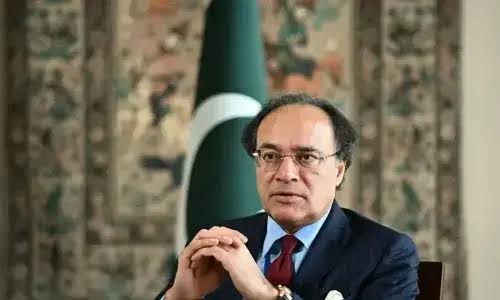
Pakistan is entering a new phase of economic policymaking, with the government shifting its focus from economic stabilization to long-term, sustainable growth. Finance Minister Muhammad Aurangzeb announced that the country’s economic priorities are now centered on attracting investment, expanding exports, and implementing structural reforms to strengthen the national economy.
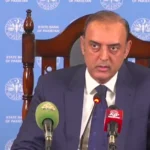
Speaking to participants of the URAAN Overseas Pakistanis Summer Scholars Programme, the finance minister said that while stabilizing the economy was a necessary first step, Pakistan’s next challenge is to create conditions that encourage investment, improve competitiveness, and generate sustainable economic growth.
Table of Contents
Key Takeaways
- Pakistan has moved beyond the economic stabilization phase.
- The government will prioritize investment-driven economic growth.
- Export expansion is a key pillar of the new economic strategy.
- Structural reforms will support long-term economic resilience.
- The announcement was made by Finance Minister Muhammad Aurangzeb.
- The remarks came during the URAAN Overseas Pakistanis Summer Scholars Programme.
What the Finance Minister Said
Addressing overseas Pakistani scholars, Finance Minister Muhammad Aurangzeb said the government’s economic agenda is now transitioning toward sustainable development after achieving greater macroeconomic stability.
He emphasized that Pakistan’s future growth will depend on attracting both domestic and foreign investment, increasing exports, and implementing structural reforms that improve economic productivity and competitiveness.
According to the minister, these reforms are designed to create a stronger economic foundation capable of supporting long-term growth and generating employment opportunities.
Focus on Investment and Exports
The government’s next phase of economic policy aims to make Pakistan a more attractive destination for investors while strengthening export-oriented industries.
Investment is expected to support industrial expansion, infrastructure development, and private-sector growth, while higher exports will help improve foreign exchange earnings and reduce reliance on external financing.
Officials believe that an investment- and export-led growth model will enhance Pakistan’s economic resilience over the long term.
Structural Reforms Remain Central
Muhammad Aurangzeb highlighted that sustainable growth cannot be achieved without structural reforms.
These reforms are expected to improve the business environment, strengthen institutions, increase productivity, and create a more competitive economy capable of attracting long-term investment.
Such reforms also aim to enhance fiscal sustainability and support consistent economic expansion.
Why This Matters
- Marks Pakistan’s transition from crisis management to long-term economic planning.
- Signals stronger government focus on attracting domestic and foreign investment.
- Reinforces exports as a major driver of future economic growth.
- Highlights structural reforms as the foundation for sustainable development.
- Provides investors and businesses with a clearer direction for Pakistan’s economic strategy.
Frequently Asked Questions
What did Finance Minister Muhammad Aurangzeb announce?
He said Pakistan has moved beyond economic stabilization and is now focusing on investment, export-led growth, and structural reforms to achieve sustainable economic development.
Where did he make these remarks?
He addressed participants of the URAAN Overseas Pakistanis Summer Scholars Programme.
What are Pakistan’s new economic priorities?
The government’s priorities include attracting investment, increasing exports, implementing structural reforms, and achieving long-term sustainable growth.
Why is export-led growth important?
Export-led growth helps increase foreign exchange earnings, supports industrial development, creates jobs, and strengthens the country’s external economic position.
What role do structural reforms play?
Structural reforms are intended to improve productivity, strengthen institutions, enhance competitiveness, and create a more attractive environment for investment and sustainable economic growth.