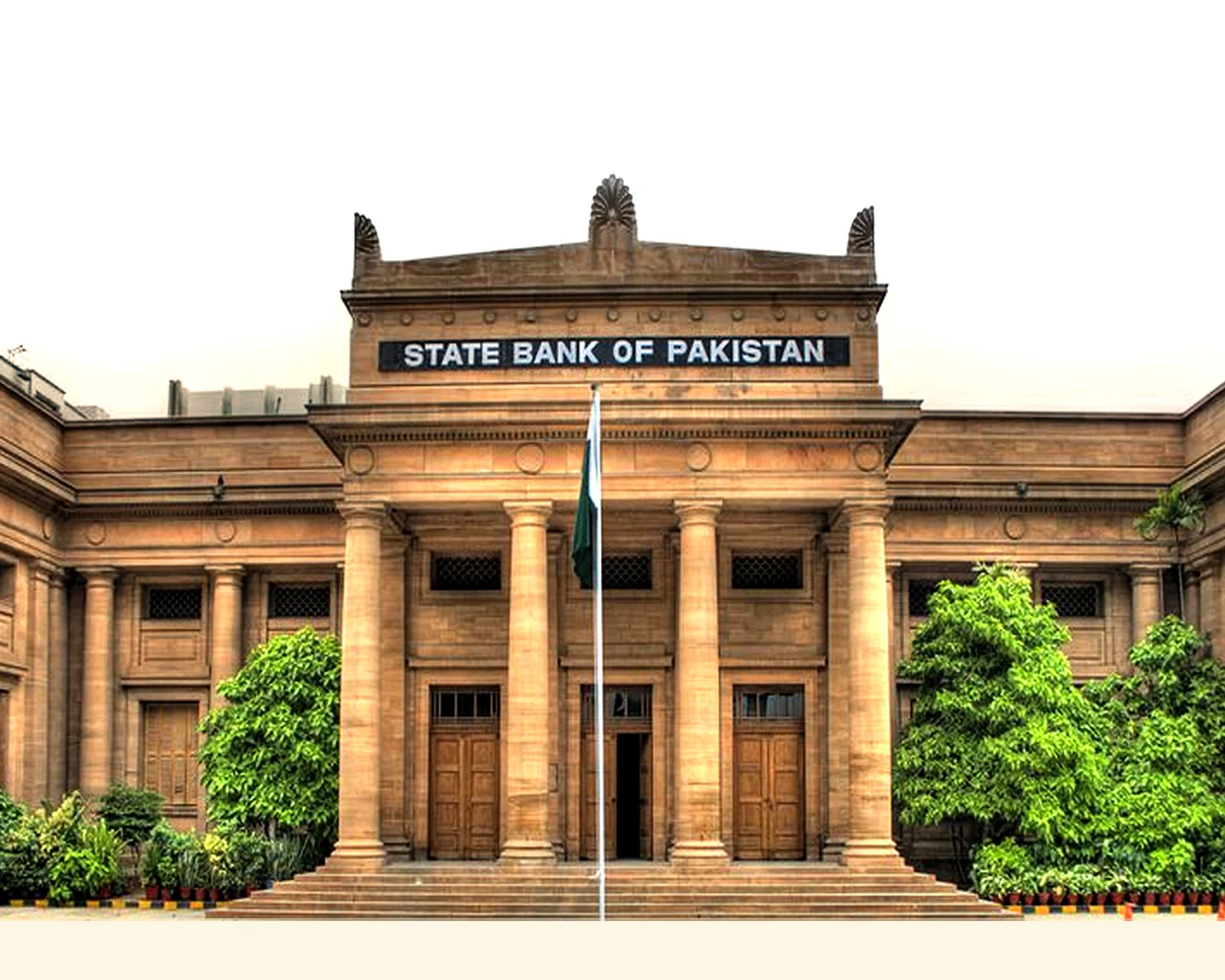
Pakistan’s foreign exchange reserves posted a modest gain in the latest weekly reading, steadying after a sharp debt-related dip the week before. According to the State Bank of Pakistan (SBP), reserves held by the central bank rose by $33 million during the week ending July 17, 2026, reaching $17,258.6 million up from $17,225.8 million a week earlier.
Table of Contents
Key Takeaways
- SBP-held reserves: $17.259 billion (as of July 17, 2026), up $33 million week-on-week
- Total liquid foreign reserves: $22.670 billion, down slightly ($5.9–6 million) from the prior week
- Commercial bank reserves: $5.411 billion, down $38.7 million week-on-week
- Import cover: Approximately 2.54 months
- Previous week’s move: Reserves fell $1.245 billion (week ending July 10) due to external debt repayments
- The week before that: Reserves jumped $1.944 billion (week ending July 3) to $18.471 billion on Government of Pakistan inflows
- SBP’s own target: Governor Jameel Ahmad has projected reserves reaching $20.2 billion by December 2026
What the Latest Data Shows
SBP’s weekly reserves report, released Thursday, showed central bank-held foreign exchange reserves increasing by $33 million to $17,258.6 million for the week ending July 17, 2026. Pakistan’s total liquid foreign reserves combining SBP holdings with net reserves held by commercial banks stood at $22,669.6 million, a small decline of roughly $5.9–6 million from the previous week, as a modest drop in commercial bank reserves ($38.7 million lower, at $5,411 million) slightly outweighed the central bank’s gain. Reserves currently provide approximately 2.54 months of import cover.
A Volatile Few Weeks
This week’s modest $33 million uptick sits at the tail end of a notably volatile stretch for Pakistan’s reserves:
- Week ending July 3, 2026: SBP reserves jumped $1.944 billion to $18.471 billion, driven by the realization of Government of Pakistan inflows a move SBP explicitly tied to meeting its full-year FY26 reserves target, which officials confirmed had surpassed $18 billion by the close of June 2026.
- Week ending July 10, 2026: Reserves then fell sharply by $1.245 billion to $17.226 billion, primarily due to external debt repayments a reminder of how directly Pakistan’s debt servicing calendar can move its headline reserve figures.
- Week ending July 17, 2026: Reserves edged back up by $33 million to $17.259 billion, effectively stabilizing after the prior week’s repayment-driven decline.
This pattern a large inflow-driven jump, followed by a large repayment-driven drop, followed by a small stabilizing gain reflects the underlying mechanics of how Pakistan’s reserves currently move: heavily influenced by the timing of external financing receipts and debt maturities rather than smooth, incremental accumulation.
The Bigger Trend: A Sixfold Recovery
Zooming out, this week’s figure is a small data point in a much larger recovery story. According to SBP Governor Jameel Ahmad, the central bank’s foreign exchange reserves have grown sixfold over the past three years, rising from below $3 billion in February 2023 during the depths of Pakistan’s near-default crisis to levels now consistently above $17 billion. The Governor has attributed this rebuild not to increased borrowing, but to the SBP’s sustained purchases of dollars from the interbank market over $27 billion purchased over the last three years funds used both to make debt repayments and to build reserves simultaneously.
Looking ahead, the SBP has said it expects the upward momentum to continue through the current fiscal year, with reserves projected to exceed $20 billion by the end of December 2026.
Regional Context
Pakistan’s reserves recovery is also worth viewing against regional benchmarks. Around the same time as this report, Bangladesh’s gross foreign exchange reserves rose to $36.10 billion, crossing the $36 billion mark for the first time since October 2022 more than double Pakistan’s current total liquid reserves. This comparison is a useful reminder that while Pakistan’s reserve trajectory has improved substantially from crisis-era lows, it still trails other regional economies in absolute terms.
Why This Matters
- It reflects continued, if uneven, stabilization rather than crisis-era volatility. A $1.9 billion swing up, followed by a $1.2 billion swing down, followed by a small gain all within three weeks shows a reserves position that moves significantly with specific inflow and repayment events, but has stabilized well above the near-zero levels of 2023.
- It reinforces the broader credibility story built by recent milestones. This data follows closely behind S&P Global’s upgrade of Pakistan’s sovereign credit rating to ‘B’, which specifically cited improving foreign exchange reserves as a key factor this week’s figures are a direct, near-real-time data point supporting that rating rationale.
- It shows debt servicing and reserve building happening in parallel, not as a trade-off. The SBP’s stated approach funding both repayments and reserve accumulation through sustained interbank dollar purchases rather than new borrowing is a materially different reserve-building strategy than relying purely on fresh loans.
- It sets a concrete benchmark to track over the coming months. With the SBP explicitly targeting $20 billion by December 2026, each weekly report between now and year-end offers a direct way to measure whether that trajectory holds.
Frequently Asked Questions
How much are Pakistan’s foreign exchange reserves right now?
SBP-held reserves stood at $17.259 billion as of July 17, 2026, with total liquid foreign reserves (including commercial banks) at $22.670 billion.
Why did reserves fall sharply the week before this report?
Reserves fell $1.245 billion during the week ending July 10, 2026, primarily due to external debt repayments.
What caused the earlier $1.944 billion jump in reserves?
The week ending July 3, 2026 saw reserves rise sharply due to the realization of Government of Pakistan inflows, helping SBP meet its FY26 reserves target.
What is SBP’s target for reserves by the end of 2026?
SBP Governor Jameel Ahmad has projected reserves reaching $20.2 billion by December 2026.
How much have reserves grown since the 2023 crisis?
According to the SBP Governor, reserves have grown sixfold over the past three years, from below $3 billion in February 2023.
How does Pakistan’s reserve level compare to other countries in the region?
Bangladesh’s gross foreign exchange reserves recently crossed $36.10 billion more than double Pakistan’s current total liquid reserves.
How many months of import cover do Pakistan’s reserves currently provide?
Approximately 2.54 months, based on the latest SBP data.