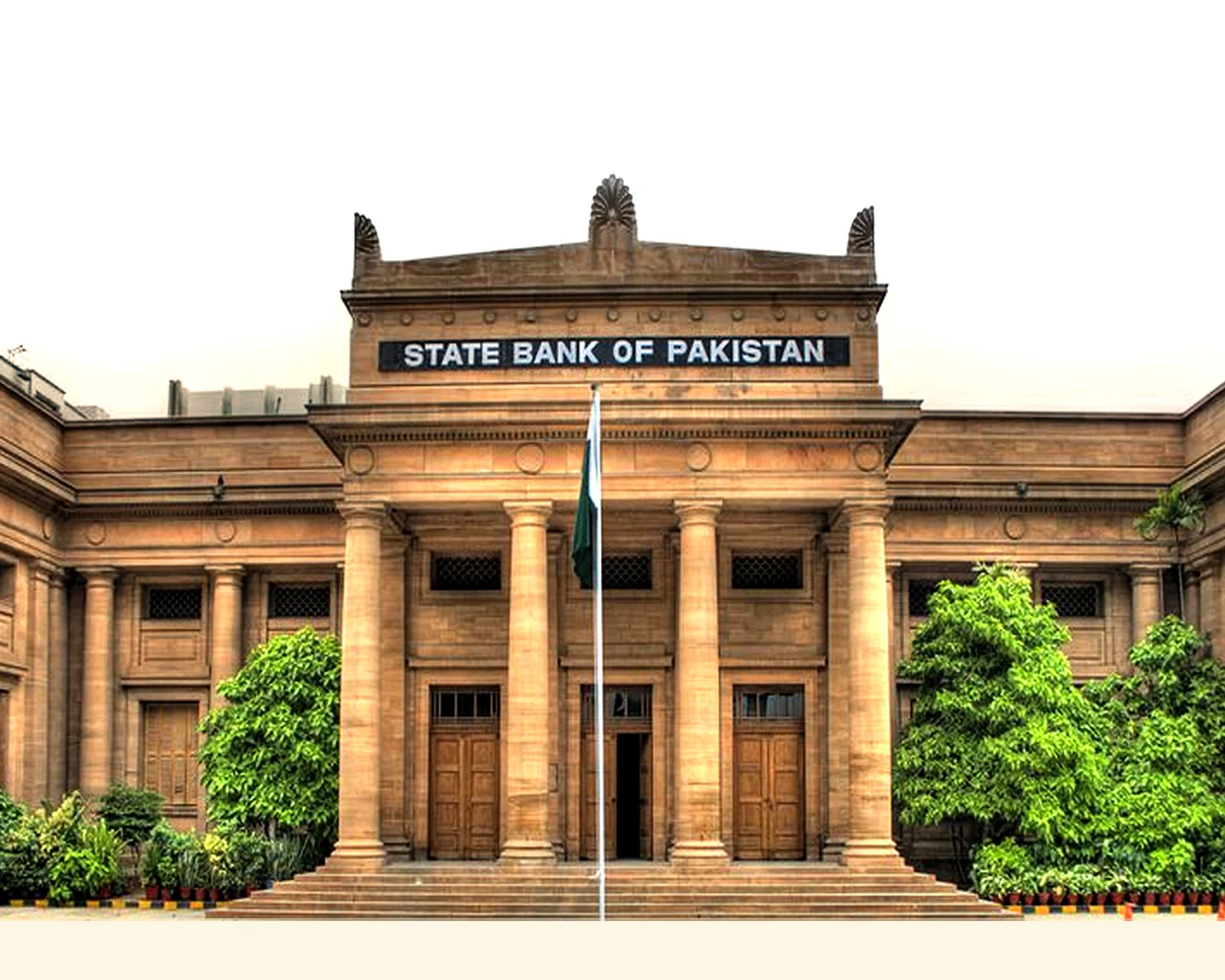
Pakistan has received a vote of confidence from global financial markets it hasn’t seen in nearly a decade. S&P Global Ratings has raised Pakistan’s long-term foreign and local currency sovereign credit rating from ‘B-‘ to ‘B’, assigning a stable outlook the country’s first credit rating upgrade in nine years, since it last held a ‘B’ rating in 2016-17.
Table of Contents
Key Takeaways
- New rating: ‘B’, up from ‘B-‘, with a stable outlook
- Last time Pakistan held a ‘B’ rating: 2016-17 making this a nine-year gap
- Short-term rating: Affirmed at ‘B’
- Transfer and convertibility assessment: Also raised, from ‘B-‘ to ‘B’
- Foreign exchange reserves: $25.3 billion as of June 30, 2026, up from a multi-year low of $6.7 billion in December 2022
- Key program cited: Pakistan’s $7 billion IMF Extended Fund Facility (EFF), approved in September 2024
- Growth forecast: S&P projects Pakistan’s economy to grow 3.5% in fiscal year 2027
- Fiscal deficit forecast: Around 4% of GDP in FY2027, down from nearly 8% during the FY2022-23 economic crisis
- Capital markets return: Pakistan issued a $750 million Eurobond and its inaugural CNY 1.75 billion Panda Bond in April 2026
What S&P Actually Changed and Why
S&P Global Ratings raised Pakistan’s long-term sovereign credit rating to ‘B’ from ‘B-‘ on Wednesday, July 22, 2026, citing improved political and institutional stability that has enabled the implementation of difficult economic reforms. The agency also affirmed Pakistan’s ‘B’ short-term rating and raised its transfer and convertibility assessment to ‘B’ from ‘B-‘ a measure of the risk that a government could restrict currency conversion or capital transfers.
In practical terms, this moves Pakistan’s creditworthiness classification from “very high credit risk, vulnerable to non-payment” to “highly speculative” still firmly below investment grade, but a meaningful step up the risk ladder that lowers, incrementally, how risky international investors and lenders now consider Pakistani sovereign debt.
The Three Pillars Behind the Upgrade
S&P’s rationale rested on three connected factors:
1. Political and institutional stability. The agency specifically credited greater political stability since Pakistan’s February 2024 general elections, noting that the coalition government has managed to implement difficult economic measures and consistently meet IMF program targets without triggering major social unrest.
2. IMF-backed reform implementation. S&P called the September 2024 approval of Pakistan’s $7 billion IMF Extended Fund Facility “critical in restoring macroeconomic stability” and rebuilding foreign reserves, noting Pakistan has met most of the program’s targets enabling timely fund disbursements throughout the arrangement.
3. Fiscal consolidation. The agency credited the government’s efforts to expand its tax revenue base for accelerating fiscal consolidation and supporting a steady decline in Pakistan’s net general government debt-to-GDP ratio.
The Numbers Behind the Story
Reserves rebuilt from crisis levels. Pakistan’s foreign exchange reserves, including central bank gold holdings, reached $25.3 billion as of June 30, 2026 up sharply from a record low of just $6.7 billion in December 2022, when the country stood on the edge of sovereign default. S&P said current reserve levels are “more than sufficient” to cover the government’s external principal payments of $16.4 billion over the next 12 months.
Fiscal deficit narrowing sharply. S&P forecasts a general government deficit of around 4% of GDP in fiscal 2027, down dramatically from nearly 8% during the depths of the FY2022-23 crisis.
Debt servicing costs easing. The agency forecasts government interest payments will decline to an average of 38% of revenue over the next three years, down from a peak above 60% in fiscal 2024 though S&P noted net government debt-to-GDP will still remain above 60% over its forecast period, meaning Pakistan’s overall debt burden remains high even as servicing costs ease.
Return to international capital markets. S&P specifically highlighted Pakistan’s re-entry into global capital markets in April 2026, through a $750 million Eurobond and its inaugural CNY 1.75 billion Panda Bond (issued in the Chinese market) transactions the agency said have broadened the country’s external funding base beyond multilateral and bilateral sources alone.
What Officials Said
Khurram Schehzad, Adviser to the Finance Minister, shared the news directly, noting that Pakistan has regained a ‘B’ rating after nine years, with the country’s last such rating dating back to 2016-17.
Prime Minister Shehbaz Sharif welcomed the upgrade, describing it as a significant milestone for the country’s economy. According to a statement from the Prime Minister’s Office, he said the upgrade reflected the international community’s confidence in the government’s economic policies, fiscal discipline, structural reforms, and sustained efforts to stabilize the national economy.
A Longer Ratings Trajectory
This upgrade is the latest step in a multi-year climb back from Pakistan’s near-default crisis. Islamabad’s long-term sovereign rating was raised from ‘CCC+’ to ‘B-‘ after a two-and-a-half-year gap, reflecting the initial abating of default risk and early reform implementation. This year’s move from ‘B-‘ to ‘B’ represents the next rung on that same ladder and, notably, the first time in nine years Pakistan has reached the ‘B’ level specifically, rather than simply improving from a deeper distress rating.
Why This Matters
- It directly reinforces Pakistan’s ongoing push for expanded US financial support. This upgrade lands in the same week Pakistan requested a $10 billion exchange stabilization facility from the US Treasury a stronger credit profile strengthens Islamabad’s case that it represents a genuinely improving, rather than merely stabilizing, credit risk.
- It validates the specific reform path taken under the IMF program, giving the government a concrete, independent external endorsement of a strategy that has required sustained political discipline to implement without a return to earlier boom-bust patterns.
- It builds directly on Pakistan’s return to international capital markets. The Eurobond and Panda Bond issuances S&P cited are the same transactions tied to HBL’s advisory role recently recognized at the Euromoney Awards showing how sovereign-level credit improvements and specific financial institutions’ roles are interconnected.
- It comes with an explicit acknowledgment of continued vulnerability. S&P’s own language noted that continued external debt maturities will place sustained pressure on reserves absent considerable new funding a reminder that this upgrade reflects improved trajectory, not resolved risk.
Frequently Asked Questions
What did S&P Global Ratings do to Pakistan’s credit rating?
It raised Pakistan’s long-term sovereign credit rating from ‘B-‘ to ‘B’, with a stable outlook, and also raised the transfer and convertibility assessment to ‘B’ from ‘B-‘.
When was the last time Pakistan had a ‘B’ rating?
2016-17 making this the country’s first credit rating upgrade to this level in nine years.
Why did S&P upgrade Pakistan’s rating?
Citing improved political and institutional stability, successful implementation of reforms under the $7 billion IMF Extended Fund Facility, and accelerated fiscal consolidation.
How large are Pakistan’s foreign exchange reserves now?
$25.3 billion as of June 30, 2026, up from a multi-year low of $6.7 billion in December 2022.
Is Pakistan’s debt burden fully resolved?
No. While debt servicing costs are expected to ease, S&P forecasts net government debt-to-GDP will remain above 60% over its forecast period.
Has Pakistan returned to international bond markets?
Yes. In April 2026, Pakistan issued a $750 million Eurobond and its inaugural CNY 1.75 billion Panda Bond, both cited by S&P as evidence of diversifying external funding sources.
What growth rate does S&P forecast for Pakistan?
3.5% GDP growth in fiscal year 2027.