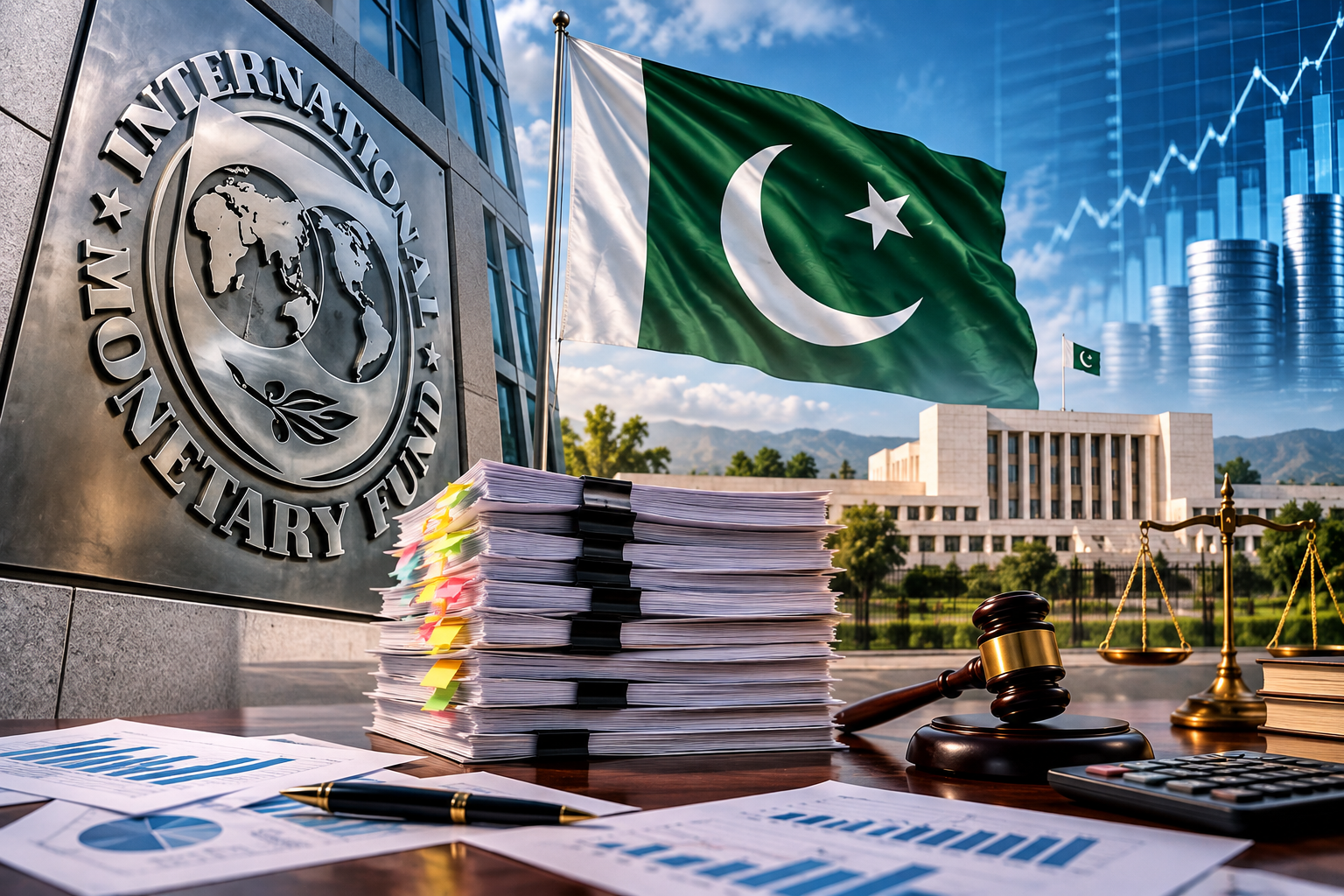
Pakistan received $763 million in foreign loans and grants during July 2026, according to official data from the Economic Affairs Division (EAD).
The inflows were higher than the $694.5 million recorded in July of the previous financial year, indicating an increase in external financing during the first month of FY2027.
The rise was largely supported by stronger receipts through Naya Pakistan Certificates (NPCs), which helped compensate for lower inflows from traditional bilateral and multilateral development partners.
Table of Contents
Key Takeaways
- External inflows: $763 million
- Period: July 2026
- Previous year: $694.5 million
- Fiscal year: FY2027
- Key contributor: Naya Pakistan Certificates
- Data source: Economic Affairs Division
- Other sources: Bilateral and multilateral development partners
- Trend: Higher year-on-year inflows
Foreign Financing Rises in July
Pakistan’s external financing increased during July 2026, with total foreign loans and grants reaching $763 million.
The amount represents an increase from the $694.5 million received during the corresponding month of the previous financial year.
The increase provides a stronger start to FY2027 in terms of external inflows, although the composition of financing has shifted compared with traditional development funding sources.
Naya Pakistan Certificates Drive Higher Inflows
A major factor behind the increase was stronger receipts through Naya Pakistan Certificates (NPCs).
NPCs provide an avenue for overseas Pakistanis to invest in government-backed instruments, making them an important source of foreign-currency inflows.
Higher NPC receipts helped offset weaker funding from conventional development partners during the month.
Traditional Development Funding Declines
While overall external inflows increased, funding from bilateral and multilateral development partners was lower compared with the previous year.
This means the rise in total financing was not evenly distributed across all external funding sources.
Instead, stronger NPC-related receipts played a significant role in lifting overall foreign inflows during July.
Stronger Start to FY2027
July marked the first month of fiscal year 2027, making the latest figures an early indicator of Pakistan’s external financing position for the new fiscal year.
The higher inflow compared with July 2025 provides some support for Pakistan’s external financing requirements, while the changing mix of funding highlights the growing contribution of market-based and diaspora-linked sources such as NPCs.
Why This Matters
- Pakistan received $763 million in foreign loans and grants in July 2026.
- The inflow increased from $694.5 million in July of the previous financial year.
- The data comes from the Economic Affairs Division.
- Stronger Naya Pakistan Certificate receipts were a major contributor to the increase.
- Lower funding from traditional bilateral and multilateral partners partly offset the gains.
- The figures provide an early snapshot of Pakistan’s external financing position in FY2027.
Frequently Asked Questions
How much foreign financing did Pakistan receive in July 2026?
Pakistan received $763 million in foreign loans and grants during July 2026.
How does this compare with July last year?
The July 2026 inflow was higher than the $694.5 million recorded during the same month of the previous financial year.
What drove the increase in external inflows?
Stronger receipts through Naya Pakistan Certificates (NPCs) were a key factor behind the year-on-year increase.
Did all sources of foreign financing increase?
No. Funding from traditional bilateral and multilateral development partners declined, while stronger NPC inflows helped offset the reduction.
What are Naya Pakistan Certificates?
Naya Pakistan Certificates are government-backed investment instruments that provide overseas Pakistanis with an avenue to invest in Pakistan.
What does the July figure mean for FY2027?
The $763 million inflow represents the external financing received during the first month of FY2027 and provides an early indication of the country’s financing flows at the start of the new fiscal year.