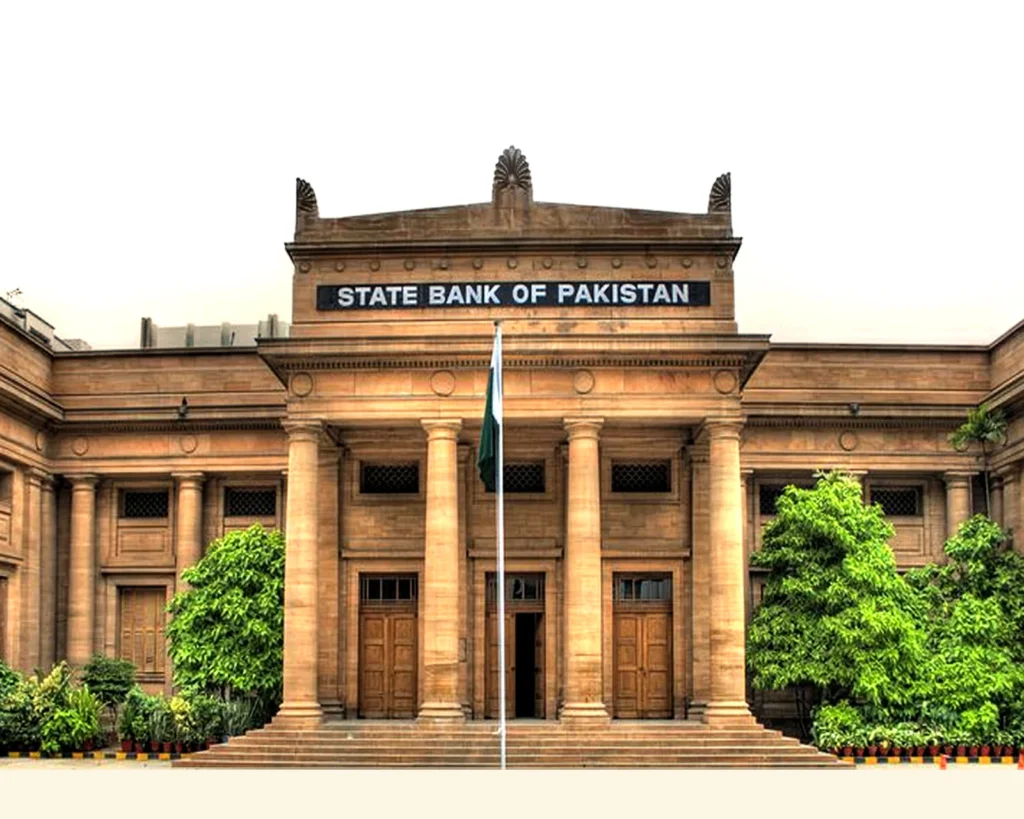
The State Bank of Pakistan (SBP) has designated United Bank Limited (UBL), Habib Bank Limited (HBL), and National Bank of Pakistan (NBP) as Domestic Systemically Important Banks (D-SIBs) for 2026.
The designation follows the central bank’s annual assessment of the country’s banking institutions, based on financial and other relevant indicators using information up to December 31, 2025.
As D-SIBs, the three banks will face enhanced regulatory oversight and additional capital requirements aimed at strengthening their ability to withstand financial stress and supporting stability across Pakistan’s banking system.
Table of Contents
Key Takeaways
- Regulator: State Bank of Pakistan
- D-SIBs for 2026: UBL, HBL and NBP
- Assessment basis: Financial indicators as of December 31, 2025
- Regulatory treatment: Enhanced supervision
- Additional requirement: Supplementary capital requirements
- Main objective: Strengthen banking-system resilience
- Market: Pakistan
UBL, HBL and NBP Receive D-SIB Status
SBP’s latest assessment has identified three major Pakistani banks as Domestic Systemically Important Banks for 2026.
The institutions are:
- United Bank Limited (UBL)
- Habib Bank Limited (HBL)
- National Bank of Pakistan (NBP)
The designation reflects their importance to Pakistan’s financial system and places them under a higher level of regulatory attention.
What Are Domestic Systemically Important Banks?
A Domestic Systemically Important Bank (D-SIB) is a financial institution whose financial difficulties or failure could have a significant impact on the wider domestic financial system.
Because of their importance, D-SIBs are generally subject to stronger supervisory standards and additional safeguards.
In Pakistan, SBP evaluates banks annually to determine which institutions meet the criteria for D-SIB classification.
Additional Capital Requirements for D-SIBs
The three designated banks will be required to meet supplementary capital requirements in addition to applicable regulatory standards.
These additional buffers are designed to give systemically important institutions greater capacity to absorb potential financial losses.
Stronger capital positions can also help reduce the risk that difficulties at a major bank could spread across the broader financial system.
SBP Strengthens Financial-System Resilience
The D-SIB framework is part of SBP’s broader approach to maintaining financial stability and resilience.
By applying additional oversight and capital requirements to institutions considered systemically important, the central bank aims to strengthen the banking sector’s ability to withstand financial and economic shocks.
The 2026 designations therefore have implications not only for UBL, HBL and NBP, but also for the stability of Pakistan’s wider financial system.
Assessment Based on 2025 Financial Data
SBP’s latest designation follows its annual evaluation using information and financial indicators ending December 31, 2025.
The assessment provides the basis for determining which banks qualify as systemically important for the 2026 regulatory cycle.
The designation can be reviewed through the central bank’s annual assessment process.
Why This Matters
- UBL, HBL and NBP have been designated D-SIBs for 2026.
- The designation was made by the State Bank of Pakistan.
- SBP’s assessment used financial information ending December 31, 2025.
- The three banks will face heightened regulatory oversight.
- They must meet supplementary capital requirements.
- The measures are intended to strengthen Pakistan’s financial-system resilience.
- The classification highlights the importance of these banks to the country’s financial infrastructure.
Frequently Asked Questions
Which Pakistani banks are D-SIBs for 2026?
The SBP has designated United Bank Limited, Habib Bank Limited and National Bank of Pakistan as Domestic Systemically Important Banks for 2026.
What does D-SIB mean?
D-SIB stands for Domestic Systemically Important Bank. It refers to a bank whose financial condition is considered important enough that problems at the institution could significantly affect the domestic financial system.
Why does SBP designate D-SIBs?
The designation allows SBP to apply additional safeguards and stronger oversight to banks that have a significant role in the financial system.
What additional requirements will the banks face?
UBL, HBL and NBP will be subject to enhanced regulatory oversight and supplementary capital requirements.
When was the assessment conducted?
The 2026 designation follows an annual evaluation using relevant financial information ending December 31, 2025.
How does D-SIB classification benefit Pakistan’s banking system?
Additional capital and supervisory requirements can strengthen major banks’ ability to absorb financial stress and help protect the overall stability and resilience of the financial system.