
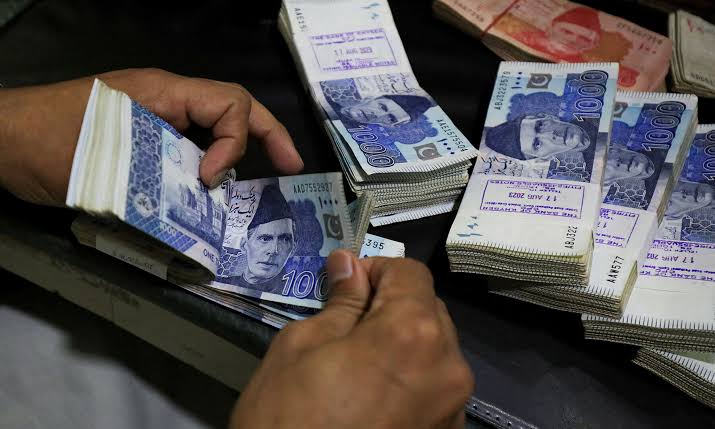
Pakistan’s federal government debt reached Rs. 83.642 trillion in June 2026, increasing 7.4% year-on-year, according to data from the State Bank of Pakistan (SBP).
The debt stock also climbed 2.1% from the previous month, rising from Rs. 81.955 trillion in May 2026.
The latest figures highlight the continued expansion of Pakistan’s public debt burden, with the year-on-year increase equivalent to roughly Rs. 15.8 billion per day.
Table of Contents
Key Takeaways
- Federal government debt: Rs. 83.642 trillion
- Reporting month: June 2026
- Year-on-year increase: 7.4%
- Month-on-month increase: 2.1%
- May 2026 debt: Rs. 81.955 trillion
- Average daily year-on-year increase: Approximately Rs. 15.8 billion
- Approximate per-second increase: Rs. 183,000
- Data source: State Bank of Pakistan
Federal Debt Crosses Rs. 83 Trillion
Pakistan’s federal government debt continued to rise in June, reaching Rs. 83.642 trillion.
The latest figure represents a 7.4% increase compared with June 2025, showing that the government’s overall debt stock has expanded significantly over the past year.
On a shorter-term basis, the debt stock increased 2.1% during June from the Rs. 81.955 trillion recorded in May.
Debt Rising by Nearly Rs. 16 Billion a Day
The year-on-year increase in the government’s debt translates into an average addition of approximately Rs. 15.8 billion per day.
Put another way, the increase is equivalent to around Rs. 183,000 every second when the annual change is spread across the year.
These figures provide a way to visualize the scale and speed of the country’s expanding debt stock, although the daily and per-second figures are averages rather than actual real-time additions to government debt.
What the Latest Debt Figures Show
The combination of annual and monthly increases indicates that Pakistan’s government debt continues to move upward.
The 7.4% year-on-year increase points to a substantial expansion over the previous year, while the 2.1% monthly increase shows that the debt stock also grew between May and June.
The figures remain an important indicator of Pakistan’s fiscal position and the government’s overall financing requirements.
Why Rising Government Debt Matters
A growing public debt stock can have implications for government finances because debt creates future obligations related to interest payments, refinancing, and repayment.
For Pakistan, managing the debt burden remains closely connected to fiscal discipline, revenue generation, economic growth, borrowing requirements, and the government’s ability to maintain sustainable public finances.
The latest numbers therefore provide another benchmark for tracking the country’s fiscal trajectory during FY2026-27.
Why This Matters
- Pakistan’s federal government debt reached Rs. 83.642 trillion in June 2026.
- The debt stock increased 7.4% year-on-year.
- It also rose 2.1% from May 2026.
- The year-on-year increase is equivalent to approximately Rs. 15.8 billion per day.
- The figures underline the continued importance of debt management and fiscal sustainability for Pakistan.
Frequently Asked Questions
How much is Pakistan’s federal government debt?
Pakistan’s federal government debt stood at Rs. 83.642 trillion in June 2026, according to SBP data.
How much did Pakistan’s debt increase in one year?
The federal government debt increased by 7.4% year-on-year compared with June 2025.
How much did government debt increase between May and June 2026?
The debt stock increased by 2.1% month-on-month, from Rs. 81.955 trillion in May to Rs. 83.642 trillion in June.
Is Pakistan’s debt rising by Rs. 16 billion every day?
The year-on-year increase works out to approximately Rs. 15.8 billion per day on average. This is a calculated average and does not mean the government’s debt literally increases by the same amount every day.
How much is the annual debt increase per second?
When the year-on-year increase is averaged across the year, it comes to approximately Rs. 183,000 per second.
What does rising government debt mean for Pakistan?
Higher government debt can increase future debt servicing, refinancing, and repayment obligations, making fiscal management and sustainable economic growth increasingly important.